🔄 Updated 21 Jun 2026
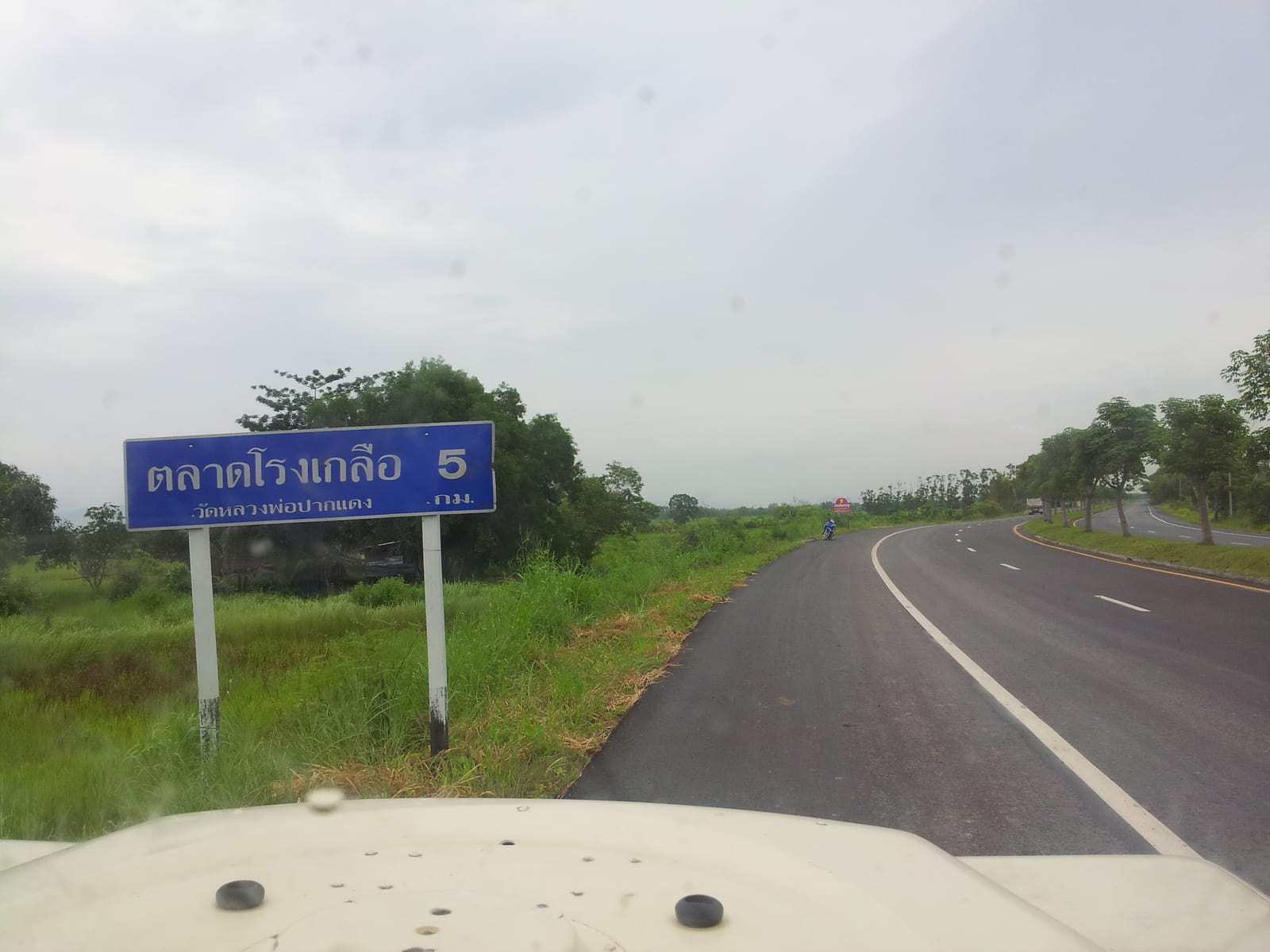
Rong Kluea Market started back in 1991 out of cross-border trade between Thailand and Cambodia. Today it covers around 66 rai (about 10.5 hectares), split into dozens of zones with thousands of stalls in total. It's about 5.5 km from the town of Aranyaprathet along Highway 33 toward the Khlong Luek crossing. Most people come here to hunt for good-condition secondhand goods at low prices — both for themselves and to buy in bulk and resell.
The vendors are a mix of Thai and Cambodian sellers, and a lot of the stock comes over from the Poipet side, which is why prices run cheaper than a regular market. But you do need to know how to pick the good pieces and how to haggle if you want a genuinely good deal.
The 5 market zones and what each one sells
Rong Kluea isn't one single market — it's a cluster of smaller markets sitting side by side, and each zone has its own strength. Knowing this ahead of time lets you head straight for what you want instead of wandering in circles all day.
Old Rong Kluea Market
The heart of the secondhand trade — clothes, bags, blankets and bulk lots. This is where the bargain hunters and most of the wholesalers shop, so be ready to dig through piles and haggle.
Benjawan Market
Mostly brand-new goods at wholesale prices — factory clothes, bags and shoes. Good for anyone who wants new stuff without paying full retail.
Det Thai Market
Known for shoes and military/outdoor gear — sneakers, boots, backpacks and travel bags.
New Rong Kluea / Golden Gate
The zone for fashion bags and odds and ends. Parts of it are covered, so the walking is easier and you're out of the sun and rain.
Want the cheapest prices
If your goal is bulk secondhand and low prices, head straight to the Old Rong Kluea Market first. If you'd rather buy new stuff in known condition, save Benjawan and Golden Gate for afterward.
Want more out of Sa Kaeo? Book tours & activities
Booking online ahead on Klook or GetYourGuide is usually cheaper than the gate and skips the queue. Pick only the experiences you actually want — prices and availability are shown live on each site.
What you can shop for, and the prices you'll actually see
The charm here is that you never know what you'll turn up in a pile — T-shirts, jackets, winter coats, jeans, branded bags (both genuine secondhand and knockoffs), shoes, blankets, curtains, even household items. Prices depend on the condition and how much you're willing to dig. Some pieces start in the tens of baht, and buying by the lot or the sack brings the per-item price down a lot more.
- Secondhand clothes — T-shirts start in the tens of baht; jackets and winter coats run roughly 50–200 THB if you dig, and pre-sorted nicer pieces cost more.
- Bags — tote bags, backpacks and shoulder bags start in the low hundreds of baht; good-condition secondhand branded bags vary by condition and model.
- Shoes — sneakers, boots and sandals come both new (wholesale price) and secondhand; always check the condition and size before you buy.
- Bulk lots / sacks — for people buying to resell, haggling by the lot works out better than picking pieces one at a time.
- Household items — blankets, curtains and odds and ends, cheaper than in town.
Straight talk about knockoffs
There really are brand-imitation goods mixed in around the market. If you're after genuine secondhand pieces, check the flaws, stitching and zippers, and don't expect any warranty. Everything here sells as-is — no returns or exchanges.
Opening hours and the best time to go
The market is open every day. Stalls start setting up from around 7am and pack down in the evening. The hours you'll see quoted most often are roughly 7:30am to 5–6pm, though each stall opens and closes on its own schedule. The good, cheap stuff tends to get dug out early, so going on the earlier side means more to choose from.
- Morning (7–10am) — piles are freshly laid out, it's not packed yet, and walking is easy. Best for digging through secondhand.
- Late morning to afternoon — busier, especially on weekends and long holidays, and hot. Come ready to push through.
- Toward evening — some stalls start cutting prices to clear stock, but there's less left to choose from.
Beat the sun and the rain
Most of the market is open-air, so bring a hat, an umbrella and drinking water. If you go in the rainy season, keep the covered zones like Golden Gate in mind as a place to duck under cover.
How to haggle for a good deal
At Rong Kluea the first price you're quoted is usually negotiable, and the same item can be priced differently from stall to stall. Compare two or three stalls before deciding and you'll get a feel for the going rate. Many vendors are Cambodian and speak some Thai — use body language and punch the numbers into a calculator so everyone can see, and you'll get by fine.
- Ask the price at a few stalls before you start haggling so you know roughly what's fair.
- Buy several pieces, or a whole lot, from one stall and ask for a bundle price — it usually drops the per-item cost.
- Haggle in a friendly way, with a smile, and don't lowball so hard you sour the mood.
- Bring small cash — many stalls don't take transfers or cards, and big notes are hard to make change for.
- Try things on and check the condition fully before you pay, because there are no returns or exchanges.
Getting there, parking and food
The market is about 250 km from Bangkok. Driving yourself is the easiest option, since what you buy is often a big haul. From Aranyaprathet town, take Highway 33 toward the border crossing for about 5.5 km. If you don't have a car, take a coach or van to Aranyaprathet and then catch a songthaew or motorbike taxi into the market.
- Parking — there are lots around the market, most of them paid. Arrive early and it's easier to find a spot.
- Walking around — the market is huge, so wear comfortable shoes; some spots have golf carts or paid rides to ferry you around.
- Food — there are made-to-order restaurants, noodle stalls, snacks and desserts dotted through the market, so you can refuel midday.
- Restrooms — available inside the market, mostly paid, so keep some coins handy.
About the border and crossing to Poipet
Rong Kluea Market sits right next to the Khlong Luek border crossing, the point where you cross into Poipet, Cambodia. Plenty of people come just for the market and have a full day without crossing at all. If you do plan to cross, the rules and paperwork can change with the situation, so always check the crossing details, the border's opening and closing hours, and the documents you'll need with the relevant authorities before you travel. Don't trust anyone offering to walk you across the line and skip the queue.
Watch your belongings in the crowds
When it's packed, keep a close eye on your wallet and valuables — carry your bag in front, and don't leave your things sitting on a stall while you're browsing.
Keep planning your Sa Kaeo trip — where to stay, eat and go
See the Sa Kaeo travel guide →