🔄 Updated 21 Jun 2026
Samut Sakhon sits right on the Inner Gulf of Thailand, one of the most important stopover points in the country for migratory shorebirds. The salt flats and mudflats around the subdistricts of Khok Kham, Phan Thai Norasing, and Bang Ya Phraek become a kind of supermarket for the flocks that fly south to escape the cold. This plan is built so you can walk the mangroves, watch the birds, learn how salt is made, and catch a beautiful sunset over the salt pans. A private car is by far the easiest way to do it, since the sights are spread out along the coast.
Best time to go
If you're coming mainly for the migratory shorebirds, the peak is November to April — especially December to February, when the birds are out in big numbers and the weather is cool enough for comfortable walking. The salt farms start working in the dry season (roughly November to May), so the cool season rolling into early summer is the sweet spot for catching both birds and active salt pans in one trip. In the rainy season the salt farms rest and the migratory birds have already flown back north.
Day 1 — Ao Mahachai Mangroves + Khok Kham Salt Flats
Day one is built around walking the mangroves before the sun gets harsh, then shifting over to the Khok Kham salt flats in the late afternoon to wait for the soft evening light.
Mangroves, Salt Flats, and Sunset
Come prepared
This trip involves a fair bit of walking in the sun and along the mudflats. Bring shoes you don't mind getting wet or an old pair of sneakers, a hat, sunglasses, sunscreen, drinking water, and mosquito repellent. If you're serious about the birds, pack binoculars and a bird guide.
Book the activities in your Samut Sakhon trip ahead
Booking online ahead on Klook or GetYourGuide is usually cheaper than the gate and skips the queue. Pick only the experiences you actually want — prices and availability are shown live on each site.
Day 2 — Khok Kham Mangrove Walk, Crab Release & Nature Learning
Day two moves fully into the Khok Kham area: walk the mangrove nature trail, take part in releasing crabs back into the wild, then stop by the science centre to understand the coastal ecosystem before heading home.
Khok Kham, Mangroves, and Gifts to Take Home
Birds You Might Spot Around the Samut Sakhon Salt Flats
The Inner Gulf of Thailand is a key passage on the East Asian–Australasian Flyway, so over the course of a year you have a chance of seeing a wide range of birds around the salt flats and mudflats. Here are the groups you'll most often see in the cool season.
- Spoon-billed Sandpiper — the star of the area. A critically endangered bird that flies all the way down from Siberia, with a flat, spoon-shaped bill. Birdwatchers from around the world travel here just to see it.
- Plovers and stilts — feed in flocks along the edges of the salt ponds, and easy to spot for beginners.
- Gulls and terns — wheel above the water, most common from November to April.
- Herons and egrets — stand still waiting to catch fish along the canals and ponds, visible almost year-round.
- Greenshanks and stints — small shorebirds that drop in in big flocks at low tide.
Birdwatching etiquette
Watch from a distance and don't get so close that you spook the flock into flight. Migratory birds need to build up their energy before flying on, and repeated disturbance leaves them weak. Use a zoom lens or binoculars instead of walking in, and don't leave any rubbish behind.
The Main Nature Spots Around Here
Ao Mahachai Mangrove Forest
A nature-study boardwalk roughly 1.5 km long through the mangroves, with an observation tower over the mudflats. Bang Ya Phraek subdistrict.
Khok Kham Mangrove Forest
A free wooden walkway where you'll see fiddler crabs and mudskippers, plus a crab-release activity.
Khok Kham Salt Flats
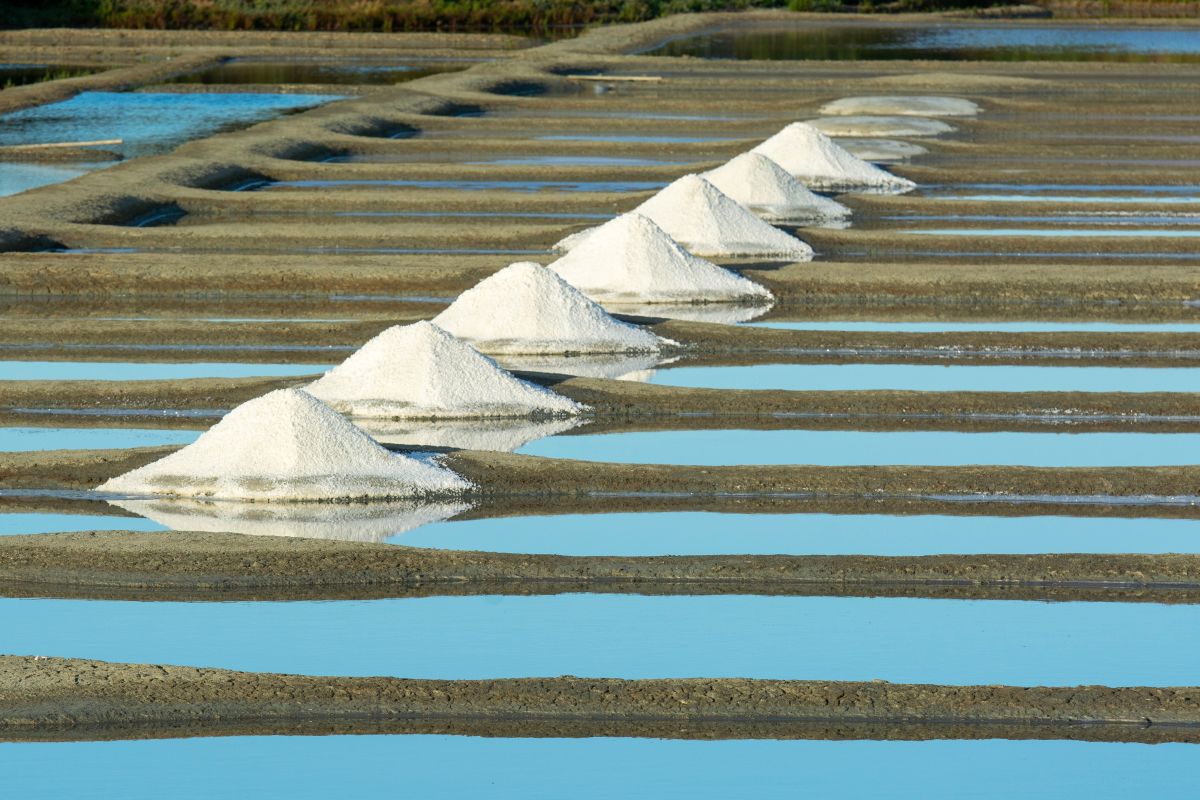
Wide-open salt pans where you can learn how salt is made, harvest fleur de sel, and shoot the sunset.
Samut Sakhon Science Centre for Education
Learning stations on mangroves and energy in Khok Kham subdistrict, open 08:30–16:30. Great with kids.
Getting Around Smoothly
- A private car is best — the sights are spread out along the coast across Khok Kham, Phan Thai Norasing, and Bang Ya Phraek, and there's no public transport that reaches every spot.
- From Bangkok — take Rama II Road into central Samut Sakhon, about 45 minutes to an hour on a day without traffic.
- The roads into the salt flats are narrow dirt embankments — drive slowly, watch for oncoming vehicles, and don't block the salt farmers' access.
- Factor in the tides — birds come down to feed at low tide, so checking a rough tide table helps you time your birdwatching better.
Want a different Samut Sakhon itinerary, or a place to stay in town?
See the Samut Sakhon travel guide →