🔄 Updated 21 Jun 2026
To understand why Saraburi became a pilgrimage city, you have to go back to the reign of King Songtham of Ayutthaya, when royal expeditions were sent out across the kingdom searching for sacred Buddha footprints. They found one here. Several of Saraburi's most important temples were built in that same era and are linked by a single continuous story — one you can actually follow on foot.
Wat Phra Phutthabat — The Buddha's Footprint on Suwannabarbat Hill
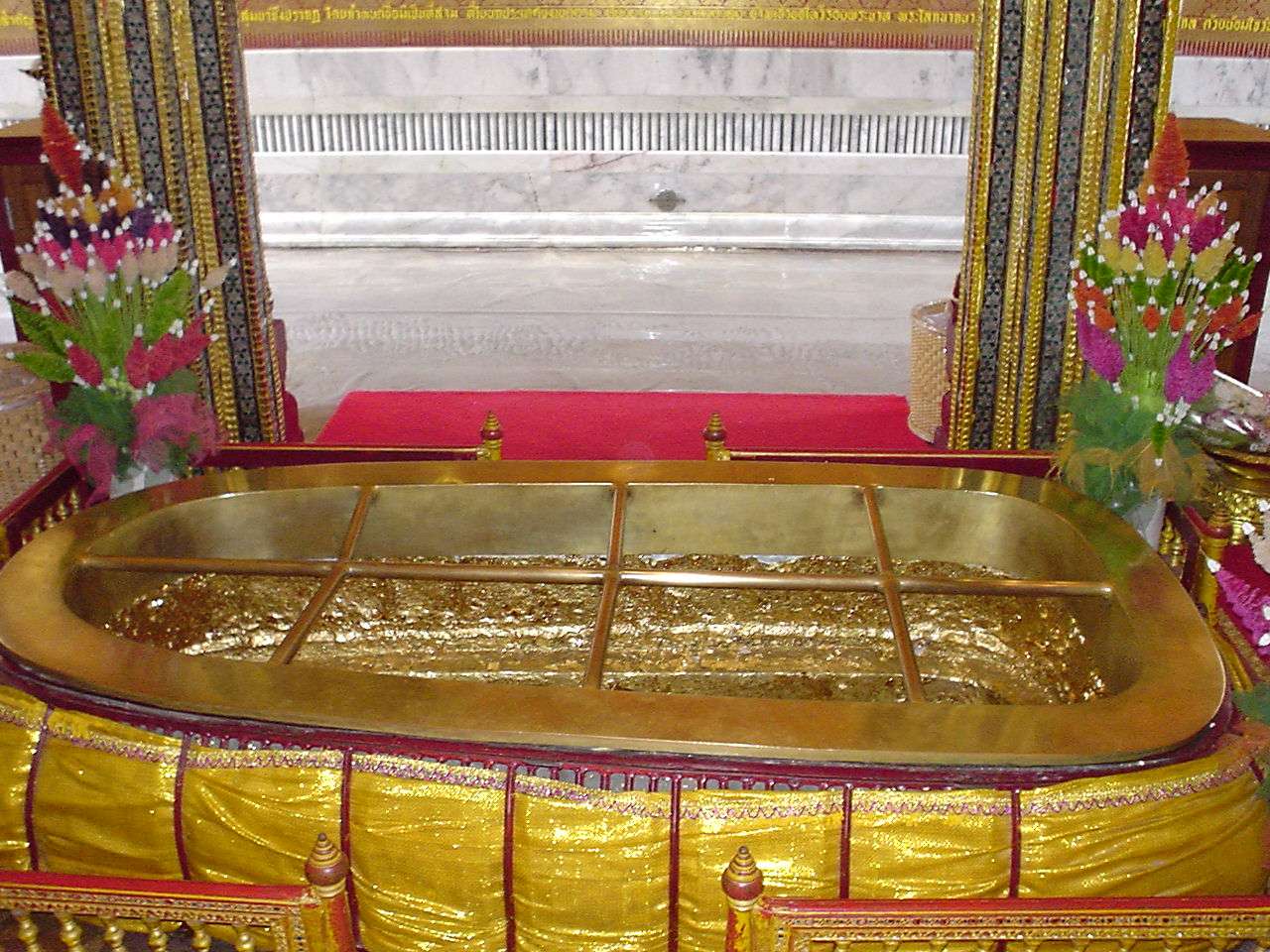
Wat Phra Phutthabat Ratchaworamahawihan is the heart of this city — a first-class royal monastery located in Khun Khlon sub-district, Phra Phutthabat district, about 28 km from Saraburi town. What draws pilgrims here is a sacred footprint believed to be one of five in the Theravada Sri Lankan tradition. It was discovered during the reign of King Songtham (around 1620–1628 CE). The imprint measures roughly 21 inches wide, 5 feet long, and 11 inches deep, and is enshrined inside a smaller inner mondop, which is then enclosed within a grand outer mondop.
The mondop sits on a low hillock — you climb a naga staircase to reach it, which isn't strenuous but gets intensely hot in the midday sun. The temple grounds are leafy and calm, with covered colonnades and old stucco work along the path. If you're into traditional Thai craftsmanship, you'll end up spending more time here than you planned.
- Opening hours — Generally 07:30–17:00 daily (extended hours during major festivals)
- Admission — Free for Thai nationals; approximately 30 THB for foreign visitors
- Dress code — Smart, modest attire required; no sleeveless tops or shorts/short skirts, as this is a sacred site
- Getting here — Around 2 hours by car from Bangkok via Phahon Yothin Road; large car park on site
Before you enter the mondop
Shoes must come off before you go up. The floor tiles get seriously hot by midday — pack a thin pair of socks or a small cloth to walk on. Bring water too, since you'll be climbing stairs in open sun.
Want more out of Saraburi? Book tours & activities
Booking online ahead on Klook or GetYourGuide is usually cheaper than the gate and skips the queue. Pick only the experiences you actually want — prices and availability are shown live on each site.
Dok Mai Tak Bat — The Flower-Offering Ceremony at Wat Phra Phutthabat
One of the most distinctive traditions attached to Wat Phra Phutthabat is the "Dok Mai Tak Bat" — literally the flower-offering alms ceremony — held every year on the first day of Buddhist Lent (Wan Khao Phansa, around July). Instead of food, local residents from Phra Phutthabat district collect "dok khao phansa" flowers (also called dok hong hen), which bloom naturally along these hillsides at the start of the rainy season, in yellow, white, and purple. These are placed in the monks' alms bowls and then offered at the footprint shrine. It's genuinely beautiful, and people say you can only see it here.
The other major event is the Namasakan Roi Phra Phutthabat Festival, held from late February to early March (in 2026, roughly 17 February to 3 March). The shrine stays open for worship across multiple days and nights, with food stalls, market vendors, and shuttle services within the festival grounds. If you visit during this period, the atmosphere is electric — just expect large crowds.
Wat Phra Phutthachai — The Red Buddha Shadow on Pathawi Hill Cliff
About 5 km south of Saraburi town, in Nong Pla Lai sub-district, Mueang district, is Wat Phra Phutthachai Worawihan. The highlight is the "Phra Phutthachai" — a red, halo-like shadow of a Buddha image, roughly 5 metres tall, that appears directly on the face of a cliff at the base of Pathawi Hill. It was discovered during King Songtham's reign alongside the footprint at Phra Phutthabat, so the two sites are considered sister temples. Nearby, there's also a smaller mondop housing another sacred footprint found beneath sand deposits during a restoration project.
A recent milestone that Saraburi locals are proud of: on 23 March 2025, a royal proclamation elevated Wat Phra Phutthachai to a second-class royal monastery (Worawihan grade). The temple itself sits right at the base of the hill — the shade is deep and the atmosphere is calm. There are stairs and walking paths leading up to a viewpoint and further Buddha images higher on the slope. It's a good pick if you want a mix of merit-making and light outdoor walking in one place.
Pair both temples in a single day
Phra Phutthachai is closer to town; Phra Phutthabat is further north. If you're coming from Bangkok, go to Phra Phutthabat first thing in the morning while it's still cool, then double back to Phra Phutthachai in the afternoon. No backtracking, and you'll catch the shade on the return leg.
Other Temples & Cultural Spots Worth a Stop
Wat Tham Krabok
In Phra Phutthabat district, close to Wat Phra Phutthabat. A forest monastery set in a valley, known for its drug rehabilitation program. Quiet and atmospheric, with lava-stone Buddha images and a walking trail up the hillside.
Wat Samuha Pradittharam
In Sao Hai district, on the bank of the Pa Sak River. Known for its Thai-Chinese architecture and murals. On some days you can get cheap noodles from the temple kitchen.
Sao Hai Old Quarter
Sao Hai is Saraburi's riverside old town and the home of the province's most famous souvenir: curry puffs (karipap). Stroll the wooden shophouses and old market at your own pace.
If you have extra time, these two districts pair well with a temple trip. Phra Phutthabat and Wat Tham Krabok are in the same zone, while Sao Hai is a natural last stop on the way back — you get a riverside temple and a bag of souvenirs in one go.
What to Buy: Saraburi's Local Specialties
- Sao Hai Karipap (curry puffs) — Crispy pastry with a generously filled centre, available in savoury (chicken, beans, potato) and sweet varieties. This is the first thing most Thais think of when you mention Saraburi. Find them in Sao Hai and at roadside shops along Phahon Yothin Road.
- Dok Khao Phansa flowers — During Buddhist Lent season, vendors near Wat Phra Phutthabat sell these blooms so you can participate in the alms tradition or take some home as an offering.
- Amulets & sacred objects — Shops line the temple plaza at Wat Phra Phutthabat, selling Buddhist amulets and blessed items. Browse at your own discretion.
A Relaxed One-Day Saraburi Temple Itinerary
Two Temples + Sao Hai Souvenirs
Best time to visit
For a ceremonial atmosphere, come during Buddhist Lent (July) to catch the Dok Mai Tak Bat flower-offering. For a big festival vibe, aim for the Namasakan Fair in late February to early March. If you just want a calm, crowd-free visit, pick a weekday outside those two windows — you'll have the temples largely to yourself.
Plan a full-day Saraburi temple trip
See the Saraburi travel guide →