🔄 Last checked 25 Jun 2026 · details and hours can change — check the venue before you go
📍 All restaurants on the map
Tap a pin for the spot + nearby stays
The charm of Nakhon Si Thammarat is that a single trip covers many moods. Start the morning venerating the golden-spired Phra Borom That Chedi at the ancient heart of the city, then stroll Ratchadamnoen Road to Ban Than Khun Rathawut Wichan — a century-old panyang wooden house — and stop at the red-and-gold City Pillar Shrine on the parade ground. If you happen to arrive on a Saturday, linger at Lat Na Phra That and graze on southern Thai street food. Devotees head up toward Sichon to pray at Ai Khai's shrine at Wat Chedi, while nature lovers turn into Lan Saka toward Khiriwong Village at the foot of Khao Luang. Families are well served by Somdet Phra Sri Nakharin 84 Park at Thung Tha Lat, Central Nakhon Si, and the Bota Sky Tower at Walailak University. Town and countryside in a single trip — it really works.
Many places on this list are genuine national landmarks. Wat Phra Mahathat Woramahawihan has stood as the spiritual core of the city for over a thousand years, with its famous legend of the shadowless chedi at noon, and it is on UNESCO's tentative World Heritage list. Wat Chedi's Ai Khai shrine in Sichon District is a nationally renowned spirit-worship site built on the belief that wishes made here are answered — devotees flock from across the country to fulfill vows with fighting-cock figurines and firecrackers. Khiriwong Village along Khlong Tha Di holds the scientifically measured title of Thailand's cleanest air, and its photogenic bridge against the Khao Luang range draws visitors year-round. All these places are open and waiting.
Wat Phra Mahathat Woramahawihan (Phra Borom That Chedi)
If you come to Nakhon Si Thammarat and skip Wat Phra Mahathat Woramahawihan, you haven't really arrived. This is the city's heartbeat — a first-class royal temple that has stood for over a thousand years. The focal point is the Phra Borom That Chedi, a towering white bell-shaped stupa capped with solid gold plating that catches the light from far away. Inside are enshrined the sacred relics of the Buddha, revered by southerners and Thais nationwide. Perfect for merit-makers, history lovers, and anyone who wants to feel the full spell of this ancient city.
The highlight you can't leave without is the legend of the "shadowless chedi." Many people report that at high noon under a blazing sun, the stupa casts no shadow — a mystery no one has explained, and the reason visitors keep coming to see for themselves. Another popular ritual is climbing up to pay respects on the upper level and walking the cloister lined with gilded Buddhas. Dozens of smaller chedis ring the main stupa, and if you visit during the Hae Pha Khuen That (cloth-draping) festival, the atmosphere of devotion is like nothing else.
The grounds are shaded and calm. Reviews consistently note that even when crowded it feels serene, easy to walk and pay respects. Inside there is a museum displaying rare artifacts and antiques (small entry fee; photography restricted in certain areas). Temple entry is free — bring a little cash for merit offerings, flowers, and incense, or browse the market stalls outside for local snacks and amulets.
Centrally located on Ratchadamnoen Road, easy to reach, with parking available. Open daily roughly 08:30–16:30. Dress modestly — this is a sacred site. What makes it especially worth visiting right now: the temple is on UNESCO's tentative World Heritage list, and if accepted it will be the South's first World Heritage site. One visit earns you merit, history, and a memory of that golden spire.
Wat Chedi (Ai Khai)
When it comes to southern Thai spirit shrines, Wat Chedi — home of Ai Khai — is one of the first names that comes to mind. The temple in Chalong Sub-district, Sichon, is famous for Ai Khai, a wooden carving of a boy aged about nine or ten, believed to be one of the most potent fortune and business blessing spirits in Thailand. The temple's mantra is "Ask and receive" — which is why devotees stream in from every corner of the country. It suits anyone who wants to pray for work, money, trade, or to fulfill a vow already made.
The standout experience is the vow-fulfillment ritual, unlike anything at an ordinary temple. Firecrackers go off at intervals throughout the day. The temple courtyard is packed with thousands of fighting-cock figurines people have presented to repay their wishes, alongside soldier uniforms, slingshots, toy cars, sunglasses, red soft drinks, and Chinese mooncakes — all things Ai Khai is said to love. The main queue forms at the pavilion housing Ai Khai's effigy, where you light incense and make your wish. Don't miss the old chedi and the cock-offering area — both photograph beautifully.
Entry is free, no admission charge. Your real budget goes to offering sets, flowers, incense, and votive cocks or gifts — sold at shops outside the gates in every price range. Open daily, most visitors come roughly 06:00–20:00. The temple is outside the city: about a one-hour drive north from downtown Nakhon Si Thammarat toward Sichon and Khanom. Parking is spacious but expect crowds on long weekends — leave extra time.
The fame rests on word-of-mouth stories of wishes coming true that keep bringing people back to repay their vows, sustaining Sichon's whole economy. A few things to know: dress respectfully, watch your valuables in crowds, and if you're coming specifically to fulfill a vow, remember exactly what you promised so you offer the right thing. One visit makes it very clear why southerners hold Ai Khai in such reverence.
Central Nakhon Si + Maha Nakhon Walking Street
Central Nakhon Si is the province's largest mall — the city's first full-lifestyle shopping center. Its design borrows motifs from southern shadow-puppet theater (nang talung) and blends them into a contemporary graphic style. Inside are around 250 stores including Robinson department store, Tops supermarket, B2S bookstore, PowerBuy, SuperSports, Fun Planet children's zone, and SF Cinema on the third floor. Anyone who wants a single stop for shopping, dining, movies, and shelter from heat or rain will find it here. Suits families with kids, friend groups, and travelers who want to decompress for half a day.
The most talked-about feature is Maha Nakhon Walking Street, an evening lifestyle market in front of the mall open Tuesday to Sunday from around 17:00 onwards. It divides into three zones — Food & Drinks, Fashion & Souvenir, and Chill Out — with plenty of food stalls and occasional live music. Real reviews praise the relaxed layout, convenient parking, clean restrooms, and standout snacks: southern-style rice noodles with fish curry (khao yam and kaeng tai pla), grilled chicken, Singapore-style lod chong dessert, fresh seafood, and photogenic sweets. It's the after-dark gathering spot for Nakhon locals and visitors who want authentic southern street food.
Entry to both the mall and Walking Street is free — pay only for what you eat and buy. Street food dishes run mostly from tens to low hundreds of THB. The mall's restaurant options range from Café Amazon and S&P to Yayoi and steak houses. Located on the ring road (Highway 403) south of the city center, a short drive from Wat Phra Mahathat. Mall open daily roughly 10:00–21:00; evening market starts around 17:00.
A note from reviews: Saturday and Sunday lunchtimes get crowded and parking can be a hunt. The recommendation is to arrive in the late afternoon and carry on into the Walking Street for dinner. Check the mall's page before visiting — some weekends feature food festivals with over a hundred vendors.
Khiriwong Village
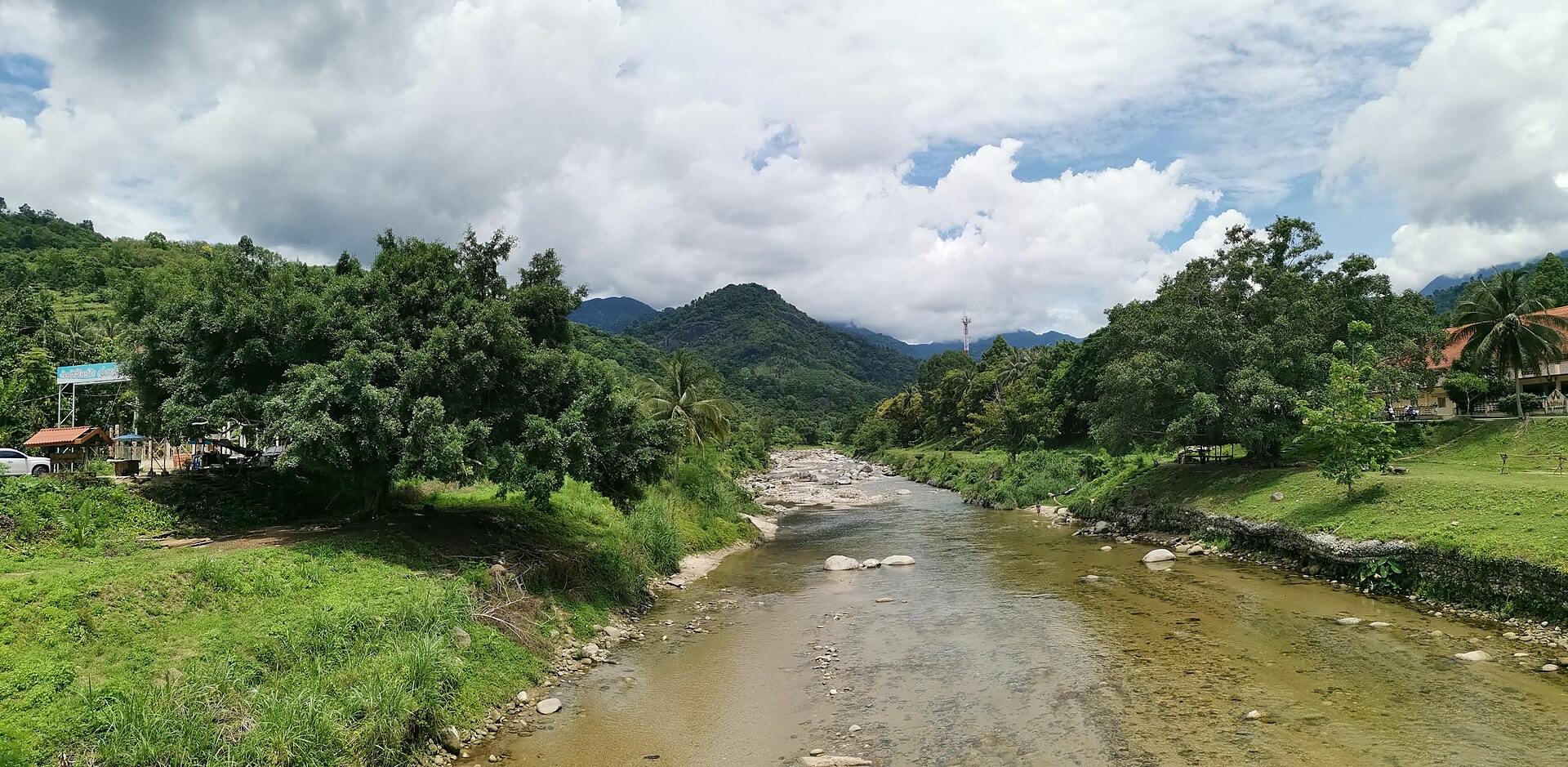
If you want to escape the city and fill your lungs with something genuinely clean, Khiriwong is the name travelers in Nakhon Si Thammarat mention most. It's a small village in Kamlon Sub-district, Lan Saka, tucked at the foot of Khao Luang — the South's highest peak. The crystal-clear Khlong Tha Di flows right through the village. Locals maintain suam ruam (mixed orchards) of mangosteen, rambutan, durian, and sataw grown together in a natural style, giving the whole place a genuinely slow-life feel. Perfect for anyone who wants to walk at a leisurely pace, pedal around on a bicycle, or simply step away from noise.
The highlight everyone does first is standing on Khiriwong Bridge — a concrete span over Khlong Tha Di — with the layered peaks of Khao Luang as a backdrop. A sign reading "Freshest Air in Thailand" stands nearby for the obligatory photo. Close by is a suspension bridge for a stroll and more photos. Bicycle rental runs about 50 THB per day. Wade in the cool, clear stream at Naan Hin Tha Ha, or hike to Wang Mai Pak waterfall. Multiple reviewers agree: "the clearest water I've seen anywhere in Thailand," and the community is exceptionally welcoming.
The budget is very friendly. There's no entry fee — walking around and taking photos is free. A 2D1N budget homestay-and-meals trip runs about 1,000–1,200 THB per person. The village is open 24 hours because it is a real, inhabited community. It's about 30 kilometers from Nakhon Si Thammarat city — roughly 30–40 minutes by car, or reachable by songthaew from town.
Khiriwong has won awards as a model community tourism village partly because its air quality readings are genuinely low in particulates, and partly because a mountain backdrop with a clear stream is increasingly rare. Best months: May to July when mangosteen, durian, and rambutan are in full harvest. Weekends and holidays bring crowds, so come early for fewer people and better light. Staying overnight lets you soak up the village's quiet properly.
Somdet Phra Sri Nakharin 84 Park (Thung Tha Lat)
If you want a relaxed, wallet-friendly place to stroll in Nakhon Si Thammarat, Somdet Phra Sri Nakharin 84 Park — nicknamed Thung Tha Lat by locals — is the answer. It's a vast public park covering around 1,257 rai on Ratchadamnoen Road behind the provincial stadium, opened in 1984 to honor Princess Mother on her 84th birthday. Great for families with kids, fitness enthusiasts, and anyone after a quiet waterside photo spot in the city.
The standout feature is the central lake, where you can rent duck-shaped pedal boats. A connecting bridge makes a lovely photo point. Around the lake runs a shaded running and cycling path lined with large trees. Adjacent is the Tha Lat Open Zoo — free entry, just register via your phone — open daily 09:00–18:00, with deer, birds, tortoises, and other animals for children to enjoy. Another favourite is the Nakhon Si Thammarat City Museum in the Wirathai Building, which traces local history from prehistory onwards; also free (open Tue–Fri 08:30–16:30, Sat–Sun 09:00–17:00).
The overall feel is open, green, and easy to park. Reviews agree the light is beautiful in the evening for a leisurely lakeside walk. Visitors from January to March may catch migratory ducks gathering on the lake. There's also a papaya-salad zone for a snack. Cost is essentially zero — just the pedal-boat rental — making it the go-to relaxation spot for Nakhon residents of all ages.
One note: some reviews mention the zoo section shows uneven maintenance, with a few areas looking worn and disorganized. If your main goal is serious wildlife watching, it may not fully deliver. But as a public park for walking, exercising, bringing the kids, and shooting waterside photos, the value far exceeds the price. Come in the morning or late afternoon to avoid the midday sun and catch the best atmosphere.
🛏️ Find a Hotel in Nakhon Si Thammarat
Covering old-town temples, Ai Khai's shrine, and the Khao Luang foothills in Nakhon Si Thammarat really calls for at least one night. Staying near Wat Phra Mahathat and Ratchadamnoen Road puts you within walking distance of the old town and the Saturday Lat Na Phra That market — ideal for temple-and-photography travellers. Those who prefer shopping and easy transport can stay near Central or the ring road. Book ahead for long weekends to secure a good room at a fair price.
🔍 Check Nakhon Si Thammarat hotel prices (Agoda)Lat Na Phra That (Phra That Walking Street)
If you happen to be in Nakhon Si Thammarat on a Saturday, Lat Na Phra That is unmissable. This cultural walking street closes Ratchadamnoen Road in front of Wat Phra Mahathat Woramahawihan and turns it into a long evening market for strolling, eating, and browsing. The concept is retro: many vendors dress in traditional southern costumes and serve food on natural materials — banana leaves, lotus cups, paper bags — with almost no foam in sight. The sound of southern Thai dialect fills the market, the warmth is genuine, and the whole atmosphere is something you won't find in a mall. Perfect for families and anyone who wants to taste real Nakhon culture.
The food is the star. Everything southern Thai and local comes together in one place — khanom thian kaew (southern sweet rice dumplings), khao yam (southern herb rice salad), ho mok (steamed fish curry), southern-style curries, and traditional snacks many visitors have never seen. Most items cost 10–30 THB; a full evening of grazing comes in well under 100 THB. Beyond the food zone there's a cultural stage with manohra (southern Thai classical dance), nang talung (shadow puppetry), folk music, and an OTOP craft section selling niello silverware, hill-tribe textiles, batik fabric, and shadow-puppet leather goods.
The location is perfect: right in front of Wat Phra Mahathat, so evening light catches the chedi beautifully. Reviews note you can pay respects, enjoy the market, and get the golden-light shot all in one outing. Open Saturdays only, roughly 16:00–21:00 or 22:00; the busiest and most complete time is from around 18:00. The market earns a Google score of about 4.4 and is a provincially promoted cultural street that reportedly generates tens of millions of baht in community income annually.
The one thing to know: it's Saturdays only — plan accordingly. Parking near the temple gets tight in the evening; arrive slightly early or walk from further away. Bring cash and a small bag because the craft stalls are hard to resist. Allow time in the late evening for folk performances.
Ban Than Khun Rathawut Wichan
Ban Than Khun Rathawut Wichan is a traditional panyang wooden house that has stood for over 120 years on Ratchadamnoen Road, directly opposite Wat Phra Mahathat — a quick street-crossing from the temple. Perfect for anyone who loves old wooden architecture, antique craftsmanship, and vintage photo spots. The house was built in 1902 by Than Khun Rathawut Wichan (Nai Khian Malaya-non); his descendants have preserved and restored it carefully enough to earn the Thai Architects Association's Outstanding Architectural Conservation Award in 2013. Best of all, it's free to visit.
The highlights are the elevated panyang structure — high stilt base, steep roof — and the exquisitely detailed fretwork carved along the eaves, verandas, and window frames. Reviewers consistently say there are photo angles everywhere: the wooden veranda, the old-style window shutters, household objects from the past displayed throughout, and the garden surrounding the house. The under-floor area and interior catch a natural breeze in classic Thai-house style. Many visitors call it an overlooked attraction that's absolutely worth the detour — a genuine window into old Nakhon Si Thammarat daily life.
No admission charge. Open daily roughly 08:00–16:00 (some reviews note occasional closures on holidays — worth checking ahead). A café-restaurant on the grounds lets you sit and enjoy a coffee afterwards. The location right next to Wat Phra Mahathat makes it effortless to pair in a single itinerary.
A few things to note: remove shoes before entering the house, and no food or drinks are allowed upstairs. Parking in front is limited (about 3 cars) — during busy periods use temple parking nearby. A natural stop for history buffs, photography lovers, and anyone wanting the quiet, atmospheric side of old Nakhon.
Nakhon Si Thammarat City Pillar Shrine
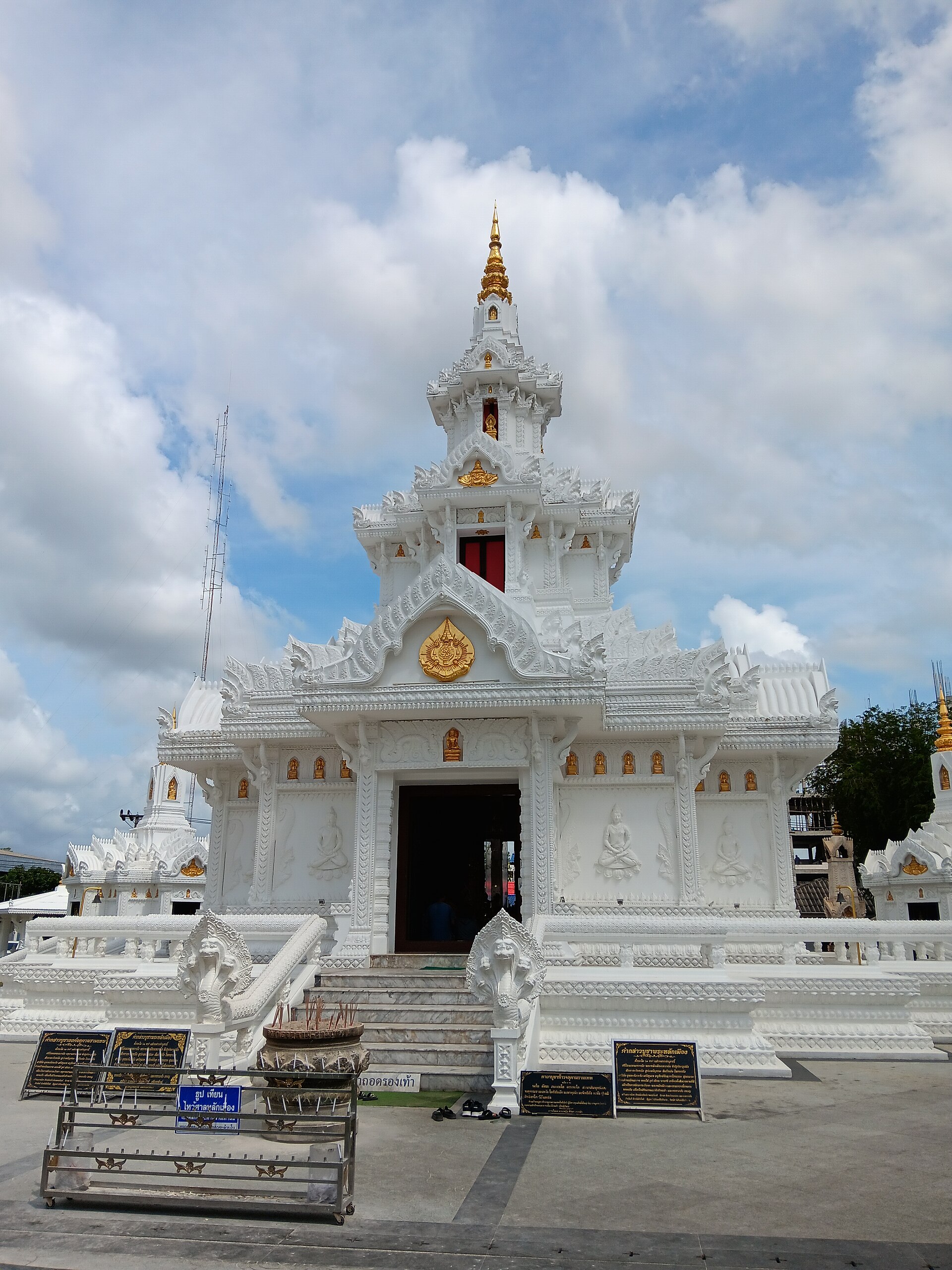
If you visit Nakhon Si Thammarat and skip the City Pillar Shrine, you haven't fully arrived. This is the sacred guardian of the city, and devotees — both local and from around the country — make a point of coming here to pay respects. The building that catches your eye immediately is a Hemarat Lila-style structure in deep red and gold, intricate and commanding. At its center stands the city pillar, carved from golden teak wood, its top sculpted as the four-faced Jatukham Rammathep, capped at the very top by a flame-like peak. Four subsidiary chapels of the directional deities surround it on all four sides. A natural stop for spirit worship fans, those seeking blessings for career advancement, and travelers who want to take in a key city landmark.
The ritual is to enter and bow to the main pillar inside, then walk to each of the four directional chapels to complete the circuit. Reviewers consistently say people come specifically to pray for promotions and career victories, and it's especially popular with civil servants. Inside it is cool, clean, and orderly — calmer than expected. There are candles, incense, and lamp oil available at a pavilion inside; donate what you like. You can also buy bai sri (floral offerings) from vendors outside.
Entry is free. Budget is just whatever you choose to donate and offer. Location is on Ratchadamnoen Road, directly facing the provincial parade ground — dead center of the city. Street parking and spaces inside the compound are available. Open daily from about 07:00–17:00. The busiest day is the first Saturday of the New Year, when worshippers fill the grounds all day long.
One small tip: if you want fewer people and good photography, come on a weekday morning — the light on the shrine is excellent and the space is peaceful. Dress modestly, and allow enough time to walk all five structures. The Jatukham Rammathep connection makes this a uniquely Nakhon experience — one visit and you understand why this shrine matters so much to the city.
Bota Sky Tower (Walailak University Botanical Garden Skywalk)
Bota Sky Tower is Nakhon Si Thammarat's newest landmark, set inside the Botanical Garden of Walailak University in Tha Sala District. It's a 25-meter observation tower — equivalent to an 8-story building — reached by climbing 145 steps, then continuing onto a sky walk above the tree canopy and a 300-meter suspension bridge connecting two towers. Great for nature lovers, photography enthusiasts, and families looking for a gentle outdoor activity inside a botanical garden.
The highlight is 360-degree views from the top: look west for the long ridge of Khao Luang; look east for the university buildings and Phrueksa Chon Reservoir mirroring the sky below. Walking above the tree crowns gives a full-green panorama. Before or after the tower, stop at The Tree Café at the entrance — camp-style décor under the trees, ideal for a coffee overlooking the reservoir. The garden also has a cactus dome, nature trail, and a wildlife breeding station with capybaras, barking deer, and sambar deer to delight younger visitors.
The fees are easy: tower admission 25 THB, electric tram tour of the garden 25 THB, or a combined ticket for 50 THB (better value). Open Tue–Sun 09:00–18:00, closed Mondays. Free parking. About 10 km from Nakhon Si Thammarat city center — easy drive.
From real reviews: the stairs and suspension bridge sway slightly as people walk or when the wind picks up, which adds a little thrill — if you're afraid of heights, prepare yourself mentally before going up. Not very suitable for elderly visitors with mobility issues on stairs. Morning and late afternoon offer the best light and the mildest temperatures for photography. Opened in 2022, it has quickly become one of the city's most popular check-in spots — the view genuinely justifies a ticket price in the tens of THB.
Lat Chumthang Thung Song
If you're in Thung Song on a Sunday and you skip Lat Chumthang Thung Song, you've missed the town's best evening. This is a cultural walking street that closes Chaichumphon Road from the Chan Pree intersection all the way to the clock tower behind Thung Song Junction railway station — about 200 meters of easy strolling. The charm is in the setting: you eat and wander past the old shophouses of the railway town, with an atmosphere of a working rail junction from a past era that no ordinary night market can replicate. A natural fit for atmosphere seekers, street-food grazers, and families who want to bring kids for a relaxed evening walk.
The real draw is over 200–250 stalls, all run by local vendors selling cultural goods and OTOP products from 14 southern provinces — handicrafts, textiles, souvenirs, and hard-to-find local foods. Reviews consistently highlight the food as the star: southern-style khao yam (herb rice salad), lotus-leaf rice parcels, traditional southern sweets like khanom kho, fried snacks, fresh seafood, and the market's signature dishes of train noodles and hanging pork. Snack on southern sweets and photograph the old shophouses and clock tower when the lights come on at night.
Free entry, most food starts from tens of THB — a few hundred baht covers grazing and gifts. There's also a cultural stage where local students take turns performing traditional music and folk shows alongside contemporary acts. The market runs on an eco-conscious model: no foam, minimal plastic, recycling stations throughout, which keeps it cleaner and more pleasant than you might expect.
Key things to know: open Sundays only, late afternoon to night, roughly 15:00–21:00. Come closer to evening for the best lighting and liveliest atmosphere. Parking near the railway station is limited — arriving earlier or parking further and walking is the better play. This market is recognized as one of the most vibrant evening markets in the area and is credited with reviving the old Thung Song district.
Book tickets and tours in Nakhon Si Thammarat — skip the queue
Want to cover multiple sights in one day without dealing with transport? Check out guided tours with driver in Nakhon Si Thammarat on Klook or GetYourGuide — options include old-town temple tours, Khiriwong-Khao Luang day trips, and the Ai Khai Sichon spirit-shrine route. Some can be booked ahead so you walk straight in without queuing. Great for first-time visitors or anyone who'd rather not drive.
💡 Know before you go — Nakhon Si Thammarat
Old-town sights are all on Ratchadamnoen Road and easy to reach by Grab. But Ai Khai in Sichon, Khiriwong in Lan Saka, and the Walailak Skywalk in Tha Sala are well outside the city — renting a car or chartering a ride works best.
Lat Na Phra That, Lat Chumthang Thung Song, and offering stalls at Ai Khai's temple mostly take cash. Keep small bills handy. Central Nakhon Si and larger shops accept card and QR payment.
The shadowless Phra Borom That is clearest at high noon on a sunny day. Lat Na Phra That opens Saturdays only. Khiriwong is coolest and most photogenic early morning. Plan your days carefully to catch every highlight.
Wat Phra Mahathat Woramahawihan and Wat Chedi Ai Khai are sacred sites. Wear modest clothing covering shoulders and knees, remove shoes at marked spots, and speak quietly when others are praying.
Central Nakhon Si and major tourist sites have some English signage. At markets and street stalls you may need to point or use Google Translate. Nakhon locals are friendly and happy to help.
Nakhon Si Thammarat sees heavy rain from late in the year through early in the new year. Carry an umbrella or rain jacket, and keep a rainy-day backup plan — Central Nakhon Si or the City Museum work well.
How to get the most out of one day in Nakhon Si Thammarat
With just one day, focus on the old-town zone first. Start the morning at Wat Phra Mahathat Woramahawihan to venerate the Phra Borom That Chedi before the sun gets fierce, then walk Ratchadamnoen Road to Ban Than Khun Rathawut Wichan for vintage wooden-house photos and stop at the City Pillar Shrine on the parade ground. Grab lunch somewhere in the city center. In the afternoon head to Somdet Phra Sri Nakharin 84 Park at Thung Tha Lat for a pedal-boat ride, or head into Central and the Maha Nakhon Walking Street for your evening meal. If it happens to be Saturday, don't miss Lat Na Phra That in front of Wat Phra Mahathat.
With two days, spread out of town on the second day according to your interests. For spirit worship, drive north toward Sichon to pray at Ai Khai's shrine at Wat Chedi. For nature, turn into Lan Saka toward Khiriwong Village — photograph Khiriwong Bridge against Khao Luang with the "Freshest Air in Thailand" sign. For panoramic views, stop at the Bota Sky Tower at Walailak University's Botanical Garden in Tha Sala District and walk the canopy-top suspension bridge. And if you're heading to Thung Song on a Sunday, swing by Lat Chumthang Thung Song near the railway station.
Visiting multiple sights both in and outside the city like this, one or two nights in Nakhon Si Thammarat is far more comfortable than a long return day trip. Choose a well-located hotel in the city center before you travel and you'll get better value.
See recommended hotels in Nakhon Si Thammarat