🔄 Last checked 28 Jun 2026 · details and hours can change — check the venue before you go
📍 All restaurants on the map
Tap a pin for the spot + nearby stays
If you had to sum up Narathiwat's charm in a sentence, it's a city where Thai and Malay cultures live side by side in easy harmony. Walk through the centre and you'll find the beautifully built provincial Central Mosque close to Narathat Beach, where the sand curves for a kilometre and rows of casuarina pines give you shade to sit and catch the cool breeze at sunset. Follow the Bang Nara River and you reach Tha Phraya Sai Dam and the hornbill plaza, where hundreds of statues stand in rows. In the evening the whole city gathers at Rim Khuean Market, a riverside market with local, Korean, and Japanese food and a view across to the opposite bank. It's an atmosphere that's hard to find elsewhere.
Narathiwat's best isn't only in the city. Wat Khao Kong has Phra Phuttha Thaksin Mingmongkhon, an open-air Buddha covered entirely in golden mosaic, with a lap width of 17 metres — the largest seated Buddha in Southern Thailand. Drive out toward Bacho and you reach Wadi Al-Husein Mosque, or the 300-Year Taloh Manoh Mosque, an old timber mosque blending Thai, Chinese, and Malay architecture that's a landmark for historical photography. For nature lovers, there's Ao Manao-Khao Tanyong with white sand, clear water, and quiet, and further out in Sukhirin there's Chulabhorn Phatthana 12 Village with a museum, historical tunnels, and forest rafting to try. Once you're done reading, keep this list.
Narathat Beach
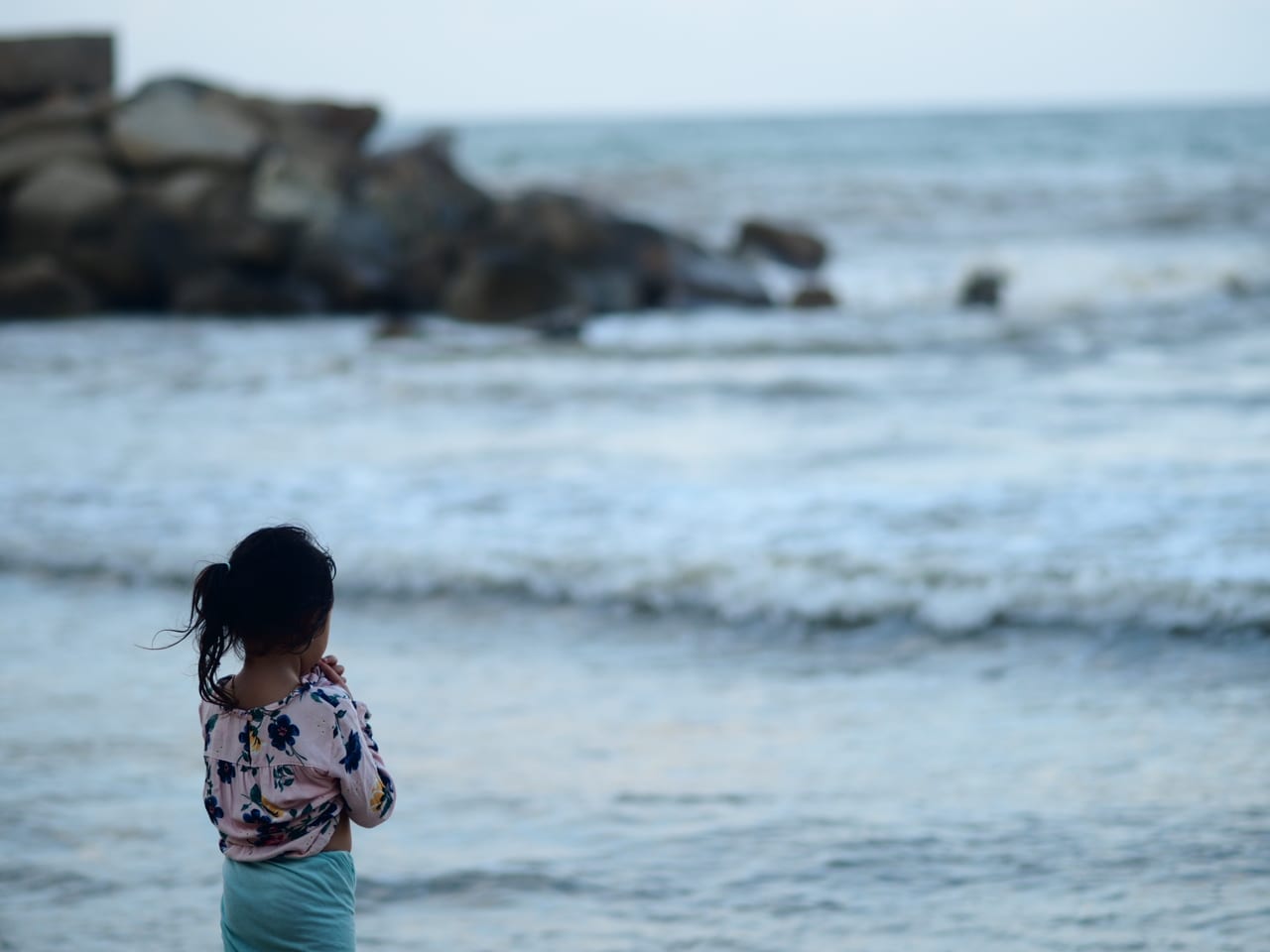
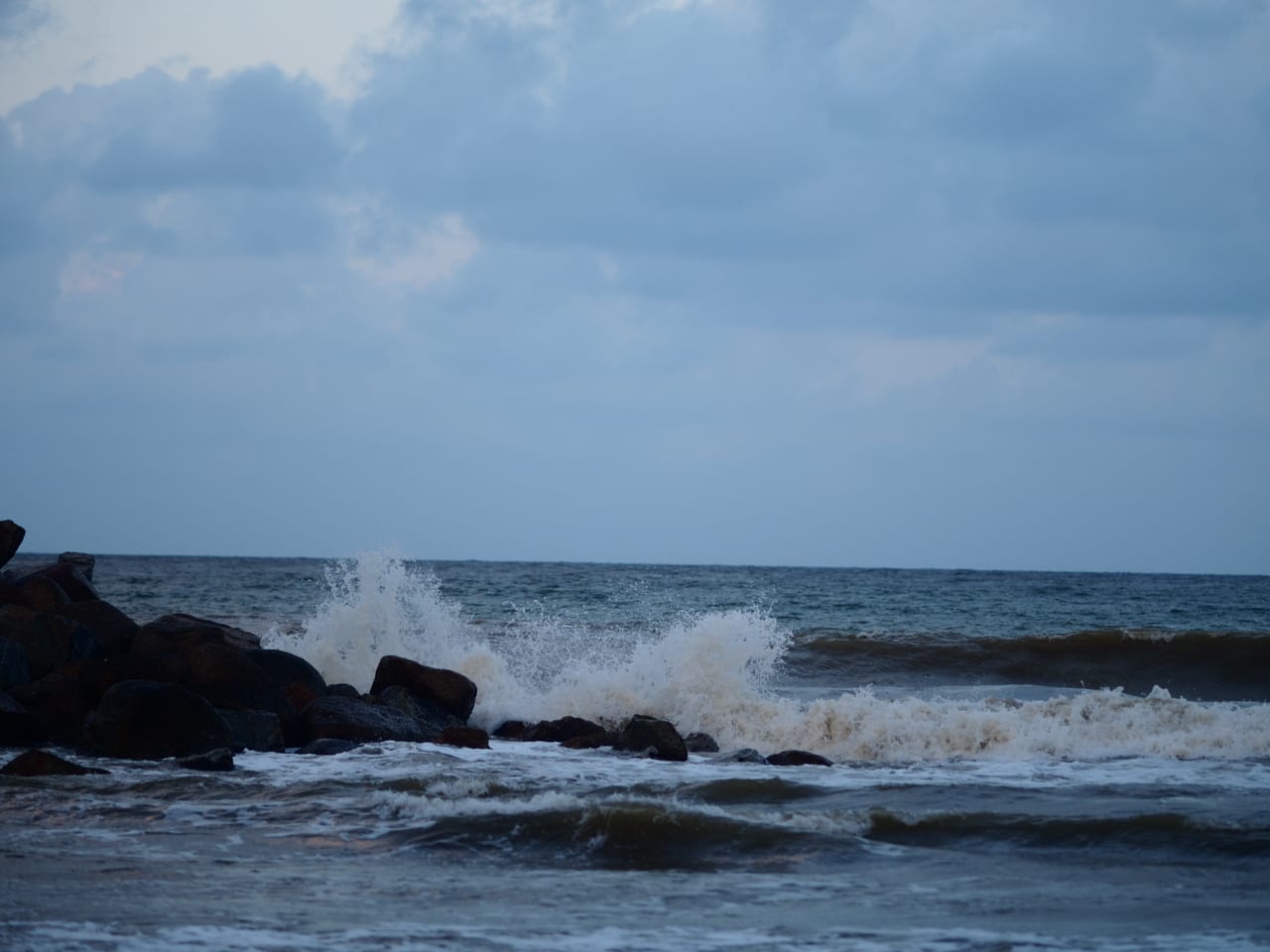
If you come to Narathiwat and want a place to catch the breeze without a long drive, Narathat Beach is the answer locals mention most, because it's only about 1 km from town. It's a continuous curving stretch of sand roughly 5 km long, running down to the mouth of the Bang Nara River. What sets it apart from an ordinary beach is the line of sea pines planted the whole length, which give excellent shade and shelter from the wind — good for families, couples, or anyone who just wants to sit quietly alone, more than a lively swimming beach like Hua Hin or Pattaya.
The time you shouldn't miss is the evening, around four to six o'clock. Many genuine reviews agree the evening atmosphere here is lovely, the breeze is pleasant, people come to fish and to jog, and it's a calm, romantic spot for the sunset. Another highlight is the fishing way of life: walk toward the river mouth and you'll see beautifully painted korlae boats moored in rows, an emblem of this area, and during festivals there are korlae boat races at the estuary. Nearby, the domed Central Mosque stands out as a landmark worth stopping for a photo.
Budget-wise it's very easy, because the beach is free with no entry fee. There's parking by the sand, and food shops and small stalls set up in stretches, especially on weekends and in the evening. Local favourites include korlae chicken, grilled meatballs, and fresh seafood at local prices — pleasant to sit and eat under the pines in the breeze. If you want to stay right by the sea, there are bungalows and camping spots under the pine line to choose from.
One honest thing to know is cleanliness and upkeep of facilities. Some reviews note that certain pavilions, lawns, and parking areas look run-down and there's litter about, so don't expect a spotless beach. But if you come for the atmosphere, the sea breeze, and a free sunset view, it's still worth it and genuinely popular with locals. Another point: waves and currents during the monsoon (late year to early year) are fairly strong, so take extra care if you bring children into the water.
Wat Khao Kong (Phra Phuttha Thaksin Mingmongkhon)

If you come to Narathiwat and have time for only one place, many choose to drive out of town to Wat Khao Kong in Tambon Lamphu, about 9 km along the Narathiwat-Rangae road. What everyone comes to see is Phra Phuttha Thaksin Mingmongkhon, an open-air blessing-posture Buddha covered entirely in golden mosaic, with a lap width of 17 metres — the largest open-air seated Buddha in Southern Thailand. Turn in and you see the gleaming golden image standing tall on the hill; the real thing is far bigger than the photos. It's great for people who like paying respects, landmark photographers, and families who want to bring elders to make merit.
What you shouldn't miss is walking up to the base of the image, then looking back down at the view of the city and the wide fields all around, open and easy on the eyes. The grounds form the province's Buddha Monthon, with an ubosot, wide plazas, and big trees for shade. Most reviews agree it's peaceful, clean, and shadier than expected — kids can run around, elders can rest, and it's not as crowded as famous city temples.
Entry is free; it's a temple, open every day. The prettiest time is early morning or late afternoon when the sun isn't too harsh, since the image is out in the open. Dress modestly as you would at any temple. Parking is convenient, and it's easy to reach by private car or rental. It scores 4.7 stars on Google reviews, reflecting that most visitors leave impressed.
A small note: the image sits in full sun, so bring a hat or umbrella and carry drinking water. In the middle of the day the plaza floor can get hot, so if you slip off your sandals to walk up to the base, mind the hot ground. Allow about half an hour to an hour to walk around and take in the calm of the place fully.
Narathiwat Central Mosque
The Narathiwat provincial Central Mosque, which locals call simply the "Central Mosque (new)", is a large three-storey building with a tall minaret, standing out at the head of Phichai Bamrung Road at the foot of Prida Bridge, near Narathat Beach in the middle of Narathiwat town. It's the spiritual centre of Muslims across the province, a place of prayer and religious practice, and one of the largest mosques in Southern Thailand. Almost everyone who visits the city passes by or stops for a photo here, because it's in the town centre, easy to reach, and the province's most recognisable landmark.
The highlight is the applied Islamic architecture. The building is a clean white, and the dome and minaret set against the sky look lovely, especially in the golden evening light and after rain when the sky clears. The popular photo angle is from the front plaza, framing the dome and minaret. Genuine reviews agree the interior is spacious and clean with modern sound and visuals, and that staff and locals are friendly, kind, and glad to welcome visitors. The restrooms are clean and there is parking (though the space inside the walls is fairly limited; during major prayer times you may need to find parking outside).
On entry fees, there's no charge, admission is free, and it's open from morning to night (roughly 04:00 to 22:00 by the prayer schedule). It works well as the first or last stop of a Narathiwat city trip, because from the mosque you can easily walk along to Narathat Beach, and in front of the mosque there are food shops and stalls to refuel.
Things to know for visitors from elsewhere: this is a working place of worship used every day, so dress modestly, cover shoulders and knees, women should have a headscarf, and remove your shoes before entering the prayer area. Avoid prayer times if you plan to take a lot of photos, and be respectful, as this is revered by locals. Follow these small courtesies and you'll come away with both good photos and a warm atmosphere.
Tha Phraya Sai Dam and the Royal Pavilion
Tha Phraya Sai Dam is a dam crest along the Bang Nara River about 600 metres long, in the middle of Narathiwat town, that has become a favourite check-in for locals and travellers alike. It suits anyone who wants a riverside spot to relax without leaving the city, to stroll in the evening or take nice photos without paying a baht of entry. It's on Phupha Phakdi Road, near the town centre, very easy to reach, with convenient parking if you drive.
The highlight you shouldn't miss is the "hornbill plaza", where more than 100 hornbill statues are set out across the grounds, representing the Hala-Bala forest that's home to many hornbill species in this area. This corner photographs very well and has become the town's signature landmark. Another spot is the royal commemorative pavilion by the dam, which in the past was used to watch korlae boat races. Standing on the dam crest, you get a view of the Bang Nara River cutting across the pine line and Khao Tanyong in the distance, especially lovely at sunset.
Genuine reviews agree the atmosphere is good, the breeze is cool all the time, and it's great for sitting and chatting, strolling, or light exercise in the evening. One side of the dam also has a riverside market for a snack afterwards, so you can stay a good while without getting bored.
Things to know: this is an open riverside area, accessible all day and with no entry fee. The most popular time is late afternoon to evening, when the sun is softer and you can catch the sunset. If you come at midday, bring a hat or umbrella, because the plaza is fairly open with little shade.
Rim Khuean Market (night market)
If you're in Narathiwat and don't know where to go in the evening, try "Rim Khuean Market", a night market on the Bang Nara River in the town centre, behind the Meteorological Department, that has become a new local landmark. Its strength is being a large riverside street-food market, gathering more than 50 shops with well over a hundred menu items, from old local dishes and grilled fare to Korean, Japanese, desserts, smoothies, tea, and coffee — all in one place. It suits anyone who wants to sit and graze at their own pace, and works fine for families or groups of friends.
The real charm is the riverside setting: eat while looking out at the Bang Nara River and the royal commemorative pavilion on the opposite bank, with a cool breeze and good air. Reviews from visitors agree it's "a relaxed riverside view" — some even bring their work to do here. Once night falls the decorative lights come on and the atmosphere gets even prettier, a popular photo and check-in spot. There's a wide plaza for kids to ride bikes, a lawn where you can lay a mat, and tables and chairs provided.
Budget-wise it's very easy: free entry, you pay only for food at regular street-food prices, with options from cheap snacks of a few dozen baht to full mains. It's open every day, and the busiest time is evening to night, from about 15:00 to 22:30 (some shops open gradually in the late afternoon). We'd suggest coming around sunset to get both the view and the evening lights.
Things to know: it's an open-air riverside market, so it may not be convenient in rain or extreme heat. The shops in the market rotate day to day, so if you want a particular stall you may have to walk around a bit. Parking can be tight on busy holidays, so coming a little early is easier.
🛏️ Hotels in Narathiwat
For an easy Narathiwat trip, stay in the town centre, close to Narathat Beach, the provincial Central Mosque, and Rim Khuean Market, the evening food spot. You can wake up and tour the city on foot without long drives. During long holidays rooms fill up fast, so book ahead to get a good location at a better price than turning up on the day.
Ao Manao-Khao Tanyong National Park

If you want the southern sea quiet and uncrowded, Ao Manao-Khao Tanyong is a spot Narathiwat locals are proud of. It's a national park on the Gulf of Thailand coast, only about 8 km from town, less than twenty minutes by car. What keeps people coming back is a fine white-sand beach curving along the bay, with big sea pines in a line for shade the whole length, and a cool sea breeze all day — pleasant to sit under the pines and listen to the waves. It suits anyone who wants real rest, families whose kids come to run around, or picnickers who don't like crowded beaches.
The highlight you shouldn't miss is a long walk along the beach, capturing the pine line and the rocks alternating with white sand in a striking way. The water is fairly clear and you can swim, but several reviews warn that the waves are strong in places, so watch the timing and keep a close eye on small children. Another favourite corner is the side next to Thaksin Ratchaniwet Palace, shaded and orderly. Nature lovers can walk the beach-forest nature trail to see unusual salt-tolerant plants.
On staying overnight, there are both park bungalows and a seaside campground. The draw is how quiet it is at night — sleep to the sound of the waves, watch the sunset, and on a clear night see a sky full of stars. Many campers say it's worth trying at least one night. Entry is a standard national park rate, which counts as budget-friendly. At the entrance there are several food and drink shops, so no fear of going hungry.
Things to know before you go: it's open roughly 08:30–16:30, and during the year-end monsoon (around mid-October to November) the wind and waves are strong, so the park may partly close or swimming may not be possible. We'd suggest the dry season for clearer sea and prettier skies. If you want to stay overnight or book a bungalow or campground, call the park ahead, because Narathiwat locals and people from nearby provinces like to come on long holidays.
Chaloem Phrakiat 6 Rob Public Park (Krom Luang Park)
If you want to see everyday Narathiwat life without any polish, come to "Chaloem Phrakiat 6 Rob Phra Chonmaphansa Park", which locals habitually call "Rama V Park" or "Krom Luang Park". It's a large park in the city centre, in the Mueang district, easy to reach, a green lung that residents genuinely use every day. It suits anyone who wants to exercise, bring the family for a sit-down, or just find a shady spot to rest between city stops.
The highlight is the atmosphere at dawn and in the evening. Genuine reviews agree the park comes alive with health-conscious people — walkers, runners, cyclists, and an aerobics class where groups come to dance. A nice touch is how varied the users are: civil servants, soldiers, police, teachers, students, and ordinary villagers, both Thai Buddhists and Muslims, all gathering in one place — a reflection of how harmoniously Narathiwat lives.
No worries about budget, because it's free with no gate charge. There's parking and restrooms ready. A point many like is the food market beside the park to continue to — finish exercising and go straight to eat. The location is good too, not far from Narathat Beach and the old-town area, so it's easy to stop in during a city tour.
A small note: this park is more a locals' park than a photo landmark. Its charm is the shade and the real-life atmosphere, and morning or evening gives you the best feel; midday the sun is fairly strong. The municipality recently improved the landscaping, adding new ornamental flowers and plants in 2025, so it looks cleaner and tidier than before.
Wadi Al-Husein Mosque (300-Year Taloh Manoh Mosque)

If you like quiet, story-filled historical spots, Wadi Al-Husein Mosque — which locals habitually call the "300-Year Taloh Manoh Mosque" — is a pin not to miss when you're in Bacho. The old timber mosque stands in the middle of Ban Taloh Manoh village at the foot of Budo mountain, built in the early Ayutthaya period (around 1624) by Wan Husein As-Sanawi, who migrated from Pattani. It's one of the oldest timber mosques in the Malay world. It suits anyone interested in architecture, people who like photographing old buildings, and families who want to bring children to see the real thing beyond the textbook.
The highlight you shouldn't miss is the entirely takhian-wood building, held together with "wooden pins" instead of iron nails, with an antique three-tiered roof, the top tier made into a Chinese-pavilion-style dome, blending Thai, Chinese, and Malay arts together. There are 26 wooden pillars carved with bullet-wood flower patterns, and window shutters with fretwork so pretty that many say they photograph here for an hour. Tourist reviews often agree that "the real thing is more beautiful than the photos", marvelling at the craftsmanship of past artisans who used no nails at all. The mosque also once kept a Qur'an written by hand by its first imam.
On entry fees, there's no admission charge; you can walk the exterior free of charge. There's roadside parking and a few small shops selling souvenirs and local products nearby. It's about 25 km from Narathiwat town, along Highway 42 and then turning off into Ban Buerange, roughly 4 km from the Bacho district office — an easy drive, open for viewing during the day every day.
Things to know: the mosque is still used for real religious practice; normally you can view only the exterior, and if you want to go inside you must first ask permission from the village imam. Dress modestly, remove your shoes as courtesy, and avoid prayer times. This mosque is popular because it's a historical landmark of the deep south that's both beautiful and valuable — Thai and Malaysian tourists stop by steadily.
Tak Bai Border Crossing / Taba Market
If you want to know what "the tip of Thailand's golden axe" looks like, Taba Market at the Tak Bai crossing is the answer. This is the Thai-Malaysia border crossing at the mouth of the Tak Bai River, opposite the town of Pengkalan Kubor in Kelantan state. You can walk the market on the Thai side and look across to the Malaysian side. The feel is a genuine border market — Malaysians cross over to buy Thai goods, from cloth, headscarves, and fresh fruit to snacks and local food, while Thais cross to shop the duty-free stores on the other side. It suits anyone who likes travel that shows real life, not just a photo stop.
The highlight you shouldn't miss is riding a longtail boat or vehicle ferry across to see the river mouth. The fare is 10 baht a person, and boats run continuously through the day — a small experience that lets you see fishing boats, the views on both banks, and the line between two countries up close. Another thing people mention is that the market goods are affordable; genuine reviews say nuts and snacks are cheaper than elsewhere, with plenty to choose from. Anyone who likes unusual things with a Malay-Malaysia flavour can browse happily for a long time.
Entering the market and walking around the crossing has no entry fee; the main budget is the ferry fare and shopping money for gifts. The crossing is open for a morning-out, evening-back trip, roughly 06:30–17:30. The market is liveliest on weekend mornings. It's at Ban Taba, Tambon Chehe, about 3 km from the Tak Bai district centre, via Highway 4084. It's popular because it's both a working border crossing and a southernmost-tip landmark you can't find anywhere else.
Things to know before you go: if you'll cross to the Malaysian side for a morning-out, evening-back trip you can use a border pass, but to stay overnight you must first get an annual border pass at the Tak Bai district office. Always carry your ID card or passport, and check the latest crossing status and opening hours before travelling, because deep-south crossings sometimes adjust their times or conditions. We'd suggest going in the morning for the full market atmosphere and before the sun gets strong.
Chulabhorn Phatthana 12 Village
If you want to travel to the very tip of the golden axe, Chulabhorn Phatthana 12 Village in Sukhirin District is a truly one-of-a-kind pin. This was once a stronghold of the Malayan Communist Party's Regiment 10, which hid in the forests of the Sankalakhiri range for more than 30 years before laying down its arms after the 1989 peace accord, then turned the old battleground into a tourism community. It's ideal for people who like history mixed with nature, and adventurers who want something unlike anywhere else.
The highlight you shouldn't miss is the community museum, which keeps photographs, weapons, and everyday belongings of former members in full, telling the story of the gun-carrying era vividly. Hike up to the "old Regiment 10 base" and you'll find old tunnels, a large smokeless stove, and the trench dug around the base to escape in emergencies — real remains that still show their traces. Another activity many mention is rafting the headwaters of the Sai Buri River, paddling a kayak past green forest on both banks, with spots to stop and swim, capped by a floating lunch in Regiment 10 style, such as stir-fried fern with turmeric fried chicken that's hard to find elsewhere.
Entry to the village and museum is free, but the rafting, hiking, and meals are charged as packages through the community tourism group. We'd suggest calling ahead to arrange, because boats and guides need to be prepared. It's open every day 09:00–15:00. The village is about 27 km from the Sukhirin district centre — a winding uphill road but with lovely views. Nearby is the Sukhirin 360-degree flower garden, where you can go up in the morning to see the sea of mist.
It's popular because it's a model CBT community and once won a 2023 Thailand Tourism Awards in the community tourism category. Things to know: phone signal is patchy in places, and this is a border area, so check your route and arrange with the community beforehand for an easy trip.
🎟️ Tickets and Tours for Narathiwat
Narathiwat's attractions are spread across several districts — the town, Bacho, Tak Bai, and Sukhirin. If you'd rather not drive yourself or aren't used to the border roads, booking a guided tour or transfer through Klook and GetYourGuide makes it easier to cover several spots in a single day, with no time lost hunting for parking or queuing. Perfect for anyone short on time who wants to collect all the highlights.
💡 Know Before You Go: Narathiwat
Public transport in Narathiwat is limited and Grab is scarcer than in big cities. Attractions in the town centre are within walking distance, but to reach Bacho, Tak Bai, or Sukhirin you should rent a car or arrange a car with driver in advance.
Rim Khuean Market, Taba Market, and most street shops take cash. The ferry fare at the Tak Bai crossing is paid in cash too, around 10 baht per person. Carry small bills for convenience.
Narathiwat is mostly Muslim. To enter the provincial Central Mosque or the 300-Year Mosque, dress modestly with shoulders and knees covered, remove your shoes, and avoid prayer times.
Narathat Beach and Tha Phraya Sai Dam are prettiest in the evening when the sun softens, while temples and mosques are quieter and cooler in the morning. Save Rim Khuean Market to close the day in the evening.
Locals speak both Thai and the local Malay dialect. English menus are uncommon — use a translation app or point at food photos. Narathiwat people are friendly and helpful to travellers.
The Tak Bai crossing and Sukhirin are on the Thai-Malaysia border. Carry your ID card or passport, and check the area's situation before travelling out of town.
How to Make a Narathiwat Trip Worth the Day
The attractions in central Narathiwat are all close together. Plan the first half-day for a morning walk on Narathat Beach, stop at the provincial Central Mosque not far away, then continue to Tha Phraya Sai Dam to photograph the hornbill plaza by the Bang Nara River. Wat Khao Kong is in Tambon Lamphu, just outside town, so you can drive over to pay respects to Phra Phuttha Thaksin Mingmongkhon on the same trip. In the evening, finish at Rim Khuean Market, a riverside market with more than 50 food shops, where you can eat and take in the view of the pavilion across the water for a good while.
If you have two days, save the second for out of town. Ao Manao-Khao Tanyong is toward Kaluwo Nuea, about 8 km away, with white sand and clear water good for relaxing and a campground. The 300-Year Taloh Manoh Mosque is in Bacho, and driving on toward Tak Bai you reach the Tak Bai crossing and the border Taba Market, where you can take a ferry across for the river-mouth view. Serious nature lovers can plan a trip out to Sukhirin to visit Chulabhorn Phatthana 12 Village, which is the farthest out, up against the Sankalakhiri range.
For an easy two-day Narathiwat trip, if you want a well-located hotel in the town centre near Narathat Beach and Rim Khuean Market, book ahead for a better room rate and no gamble on the day you arrive.
See Hotels in Narathiwat