🔄 Last checked 25 Jun 2026 · details and hours can change — check the venue before you go
📍 All restaurants on the map
Tap a pin for the spot + nearby stays
Anyone who still thinks of Phitsanulok as just a stopover city on the way north should try staying a day and see what changes. The city sits on both banks of the Nan River — hence the name City of Two Rivers. During the day, follow the old-temple trail along the riverside, stop in at the folk museum to see how ordinary people in the lower northern valleys once lived, then when the sun drops come out to walk along the riverbank at Suan Chom Nan, or go for rice and live music at the walking street. For nature, a drive out towards Noen Maprang leads you to limestone karst scenery often compared to Guilin — and a bat cave where millions of bats stream out at dusk in a sight many city visitors have never seen. Phitsanulok is a city with different things to offer in a single province, and most of them are free or cost almost nothing.
The highlights you can't skip are Phra Buddha Chinnarat — the Sukhothai-era Buddha image in the ancient riverside viharn at Wat Yai (Wat Phra Si Rattana Mahathat Woramahaviharr), which many people consider the most beautiful in Thailand. Not far away is Wat Chan Tawantok with a golden viharn that gleams on the entire Nan riverside and has become one of the city's most photographed spots. For history there's Chan Palace, the ancient monument believed to be the birthplace of King Naresuan the Great, and the Sergeant Major Thawee Folk Museum where a warrant officer spent thirty years collecting everyday objects until they became a reference collection for lower-northern heritage. All clustered in the city, easy to walk between or hop a short ride. Pack your bag and come to Phitsanulok.
Wat Phra Si Rattana Mahathat Woramahaviharr (Wat Yai) — Phra Buddha Chinnarat
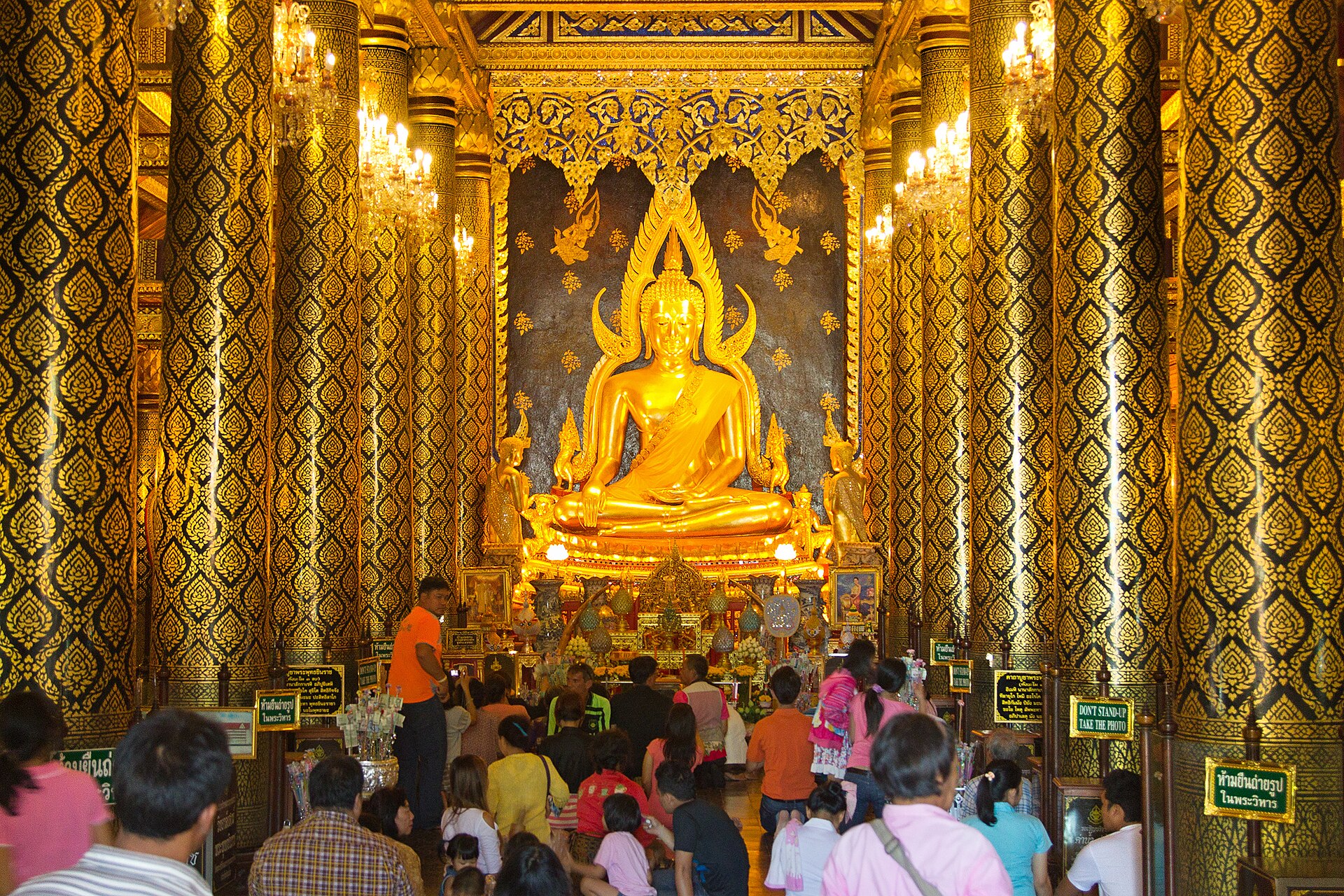
Come to Phitsanulok and skip this place, and you haven't really arrived. Wat Phra Si Rattana Mahathat Woramahaviharr — or Wat Yai as everyone calls it — is the city's guardian temple, enshrining Phra Buddha Chinnarat: a Sukhothai-style seated Buddha in the earth-touching posture, wrapped in gold leaf, with gracefully drawn lines and a gilded arch surrounding it. The moment you walk into the ancient riverside viharn you understand immediately why people travel from across the country just to pay respects here. The right place for everyone who wants to offer prayers, follow the history, or simply admire extraordinary Buddhist art.
The things you shouldn't miss: pay respects to Phra Buddha Chinnarat in the main viharn, then walk the cloister where hundreds of Buddha images are lined up in rows, then see the Phra Attharat (the large standing image), the Khmer-style principal prang, and the amulet market which is lively and colourful. Real reviews consistently say the image is beautiful enough to sit and look at for a long time. The interior atmosphere is still and reverent, but people are coming and going all the time. On holidays and festivals crowds are significant. For genuine quiet, arrive early in the morning.
Affordable: entering the temple and paying respects costs nothing. Wide car park. The museum and some zones may have a small voluntary maintenance fee. The temple sits on the east bank of the Nan River on Putthachat Road, opposite the provincial hall — easy to walk along the riverside afterwards. The main viharn of Phra Buddha Chinnarat is open approximately 06:00–20:00; the general temple grounds around 06:30–18:00.
Consistently rated at the top of Phitsanulok's must-visit lists, with high Google scores across travel platforms. Small reminders: dress modestly, remove shoes before entering the viharn, keep valuables secure when it's crowded, and allow 1–2 hours to walk the full grounds properly.
Wat Chan Tawantok (Maha Wihan Somdej Ong Pathom / Golden Viharn)
If you're in Phitsanulok and want a temple that makes people ask "is that really in Thailand?" when they see the photo, Wat Chan Tawantok is the answer. The thing everyone talks about is Maha Wihan Somdej Ong Pathom — an entire building covered in gold standing on the west bank of the Nan River, near the foot of Suphan Kallaya Bridge. In strong morning sun the golden walls reflect the light so intensely you can barely open your eyes. Inside is enshrined the Somdej Ong Pathom image in the earth-touching posture, wearing full royal regalia, in an elaborately carved gilded arch. The right temple for both serious merit-makers and visitors who want striking photographs to take home.
The other image you shouldn't miss is Luang Pho Thong Lai Ma — a large standing alms-bowl Buddha image at the temple entrance. Locals revere it greatly, believing it brings prosperity and good fortune, true to the name. Many people come to pay respects to both images in the same visit as they're in the same temple. The overall atmosphere is quiet, shady, with a cool breeze from the Nan River. Walking around takes about an hour. There are also Thai costume rental shops outside the temple for anyone wanting photographs in traditional dress with the golden viharn.
Very easy on the budget — free entry, donation box only. Open daily approximately 06:00–18:00. Centrally located in Phitsanulok, easy to reach with parking and nearby shops and food. If you're driving yourself it's a quick stop. Can be comfortably combined with Wat Yai in the same trip since both are in the city.
Small note: several reviews mention that some parts are still under construction or being decorated — scaffolding or additional work may be visible in some areas. The main viharn and Luang Pho Thong Lai Ma are fully accessible for paying respects and photography. Dress modestly as this is a temple. Midday in strong sun is when the golden building looks most spectacular — if you can, time your visit for that.
Phitsanulok Walking Street / Phitsanulok Night Bazaar
The Phitsanulok Night Bazaar — called the Nan riverside walking street by locals — is a long evening market stretching along Putthachat Road on the east bank of the Nan River, from around Wat Chan Tawantok to the foot of the bridge. It's where Phitsanulok's young people and visitors come to stroll and catch the evening breeze every night of the week. If you're staying in the city centre and don't know where to go after dark, this is the easy answer: free to walk, pleasant to browse, good for solo visitors, couples, or whole families.
What the market does best is "affordable food and shopping." One side is lined with stalls selling clothes, bags, shoes, earrings, cosmetics, and all manner of budget odds and ends. The other side, facing the river, is packed with food: rice porridge, made-to-order dishes, fried things, grilled things, snacks, and drinks. The highlight that reviewers consistently point to is the stretch of riverside dining spots — sit with the cool river breeze, look out at the water and the illuminated temple on the opposite bank, and some stalls have live music playing quietly. On certain Saturdays there's a retro ram wong (Thai circle-dance) event in front of Wat Chan Tawantok on the east side as well.
Market stalls start setting up around 17:00, picking up from 18:00, and running until 23:00 or midnight. Very reasonable per-person budget — a full meal runs to a low hundred-something THB, and shopping prices aren't high. Foreign reviewers often say they like this market precisely because it is a "real Thai market" rather than something built for tourists — genuinely local atmosphere. Some say the food on the riverside side is fresher and better than they expected.
Small note: most of the goods are fashion items aimed at younger shoppers rather than local crafts or souvenirs, so anyone hoping to buy Phitsanulok-specific keepsakes may not find much. The appeal is really the riverside setting, the affordable prices, and the breeze off the Nan River — not luxury.
Central Phitsanulok
When Phitsanulok residents want somewhere to escape the heat, eat, watch a film, and shop — all under one roof — Central Phitsanulok is what they think of first. It is the province's main shopping centre, opened in 2011 by Central Pattana Group, situated along Highway 12, Phlai Chumphon Subdistrict. Easy to reach, parking for thousands of cars. Good for families, couples, groups of friends, or visitors who want an air-conditioned break mid-itinerary in lower northern Thailand.
The detail people often mention is how the building looks — the design incorporates local Phitsanulok textile patterns, Benjarong motifs, and Thai-house details that make it look different from a generic mall. Inside is a three-floor building with Robinson as the anchor store, plus Tops Supermarket, Power Buy, B2S, SuperSports, Uniqlo, Mr.DIY, and a Major Cineplex 5-screen cinema. The thing you shouldn't miss is the food and beverage zone and food court, which brings together well-known brands in one spot, and during festivals like Songkran there are free concerts, water play, and entertainment on the forecourt.
Free entry, free parking. How much you spend depends entirely on what you eat and buy. A food court meal runs to a few hundred THB. A nicer sit-down meal is possible too. Open daily 10:00–22:00. Real reviews praise the wide, clean corridors, cool air, friendly staff, and abundance of food options. Central Phitsanulok is a genuine local meeting place.
Small note: evenings and public holidays get busy and the best parking floors fill up — allow extra time. For visitors from out of town this is a practical hub: withdraw cash, buy supplies, pick up souvenirs, and refuel before continuing to Wat Phra Si Rattana Mahathat or exploring the city.
Suan Chom Nan Chalerm Phrakiat
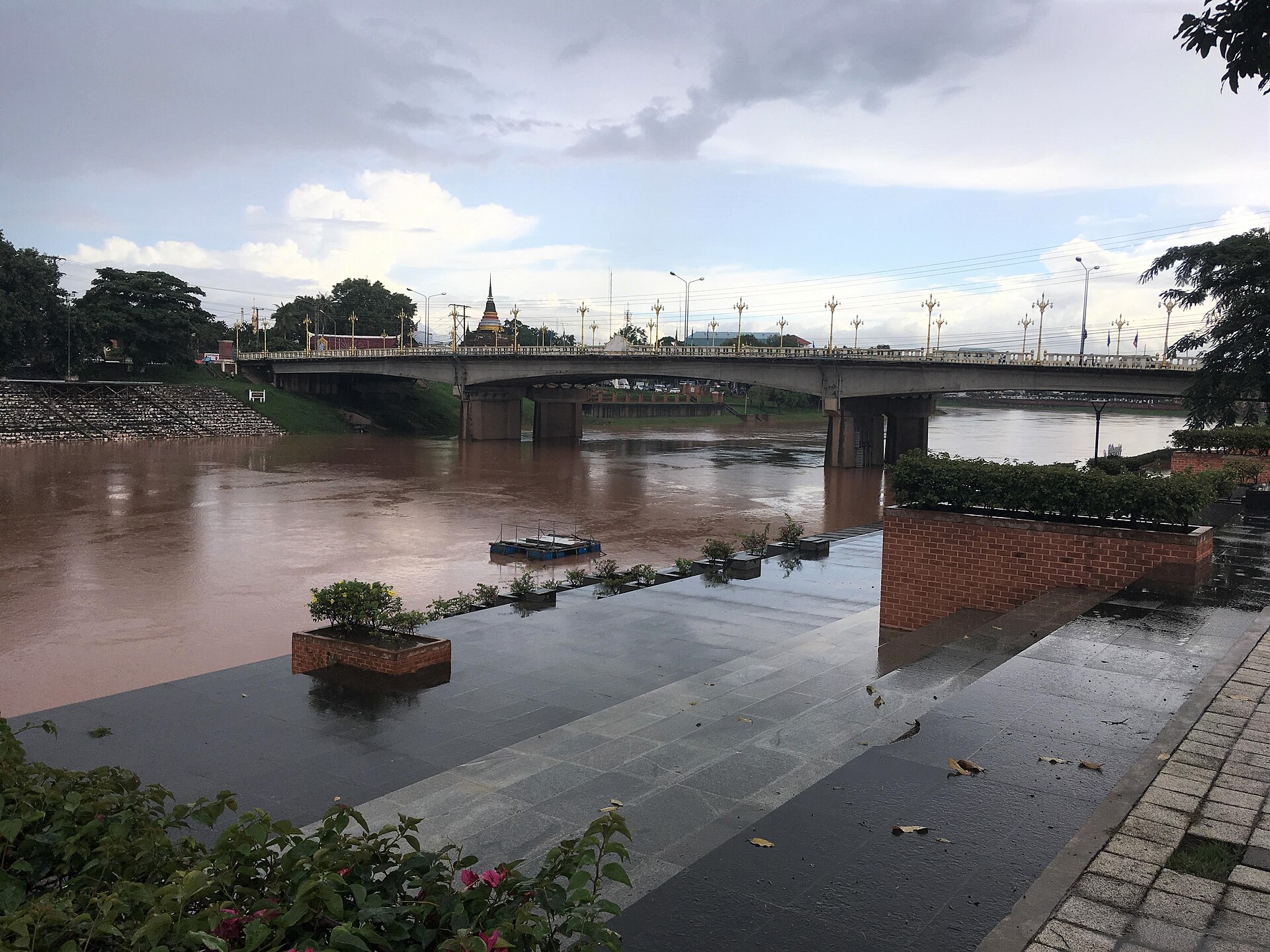
Want to know where Phitsanulok residents go when the afternoon sun drops and the breeze picks up? The answer is Suan Chom Nan Chalerm Phrakiat — the riverside public park on the Nan River in the city centre. On BoromaTrilokanart Road, opposite Wat Ratchaburana. Locals call it simply Suan Chom Nan. This is where people come to run, stroll, walk their dogs, cycle, and sit and watch the river every evening. The right place for anyone visiting Phitsanulok who wants to see the city in its everyday rhythm — not just visiting temples and moving on.
The highlight you shouldn't miss is the running and walking path along the riverbank — roughly 1.5 kilometres return, flat and easy, with exercise equipment and rest spots at intervals. The most beautiful moment is sunset: golden light washing over the Nan River with the silhouette of Wat Ratchaburana reflected on the opposite bank. Many visitors say it's one of the best evening photo angles in the city. In the cool season the breeze is especially pleasant, and the park fills up with walkers. Food and drink stalls around the park are good for a meal after exercise.
Completely free to enter, no charge, open 24 hours. Come at the crack of dawn for clean air or join the crowd in the evening like most locals. The park is centrally located in the Mueang subdistrict, easy to reach, with parking. Pets welcome. Popular because it's both the city's daily exercise ground and the venue for major provincial events — the Loi Krathong festival, food festivals, and New Year's countdown in December with fireworks and music.
Worth knowing: evenings on weekends and holidays are busy and the best parking fills up — come a little before sunset for a comfortable spot. During the rainy season when the Nan River rises high, some sections of the bank path may close or flood. Check conditions briefly before planning a long walk.
🛏️ Book a Stay in Phitsanulok City
Staying in the city centre along the Nan River is the easiest base for Phitsanulok — Wat Yai, Wat Chan Tawantok, Chan Palace, Suan Chom Nan, and the walking street are all close together. Wake up early and walk to pay respects to Phra Buddha Chinnarat with no hassle. Compare hotel prices in the riverside area through Agoda, Booking.com, or Trip.com and book ahead to get the best rooms at the best rates.
🔍 Check Phitsanulok hotel prices (Agoda)Chan Palace and King Naresuan the Great Shrine
For anyone visiting Phitsanulok who wants to understand why the City of Two Rivers matters in Thai history, Chan Palace is where to go. This is the ancient monument site believed to be the birthplace and childhood residence of King Naresuan the Great. It sits on the west bank of the Nan River, near the city centre and easy to reach. The right place for people who like old stories, want to pay respects and make merit, or want to bring children somewhere open and shady.
The first highlight most visitors head straight to is the King Naresuan the Great Shrine — a traditional Thai triple-peaked pavilion inside which stands a full-scale bronze statue of the king in the posture of pouring water in a declaration of independence. Phitsanulok residents and visitors come to pay respects here regularly; many people fulfil vows with fighting cockerels according to local belief. Next is the Chan Palace History Centre, an exhibition building on the story of the city and King Naresuan — clearly laid out and accessible, inaugurated by Princess Maha Chakri Sirindhorn in 2015. Around the grounds are excavated palace foundations, and older temples such as Wat Wihan Thong, Wat Si Sukhot, and Wat Pho Thong, all worth walking to.
Everything is free — the shrine courtyard and the history centre alike. Wide car park, clean toilets, incense and flower stalls on site. Reviews consistently praise how clean and calm the grounds are. The only small note: some parts of the grounds are exposed and quite sunny. Morning or late afternoon is more comfortable. Anyone visiting in a large group or wanting a guided tour can contact the site in advance to request a guide.
Good to know: the History Centre opens Tue–Sun approximately 09:00–16:00, closed Mondays. The shrine courtyard has broader access hours. Dress modestly as this is a place of worship. The site receives high Google ratings and is consistently named among Phitsanulok's top historical attractions — good for both knowledge and peace of mind after the visit.
Sergeant Major Thawee Folk Museum and Burana Thai Casting Workshop
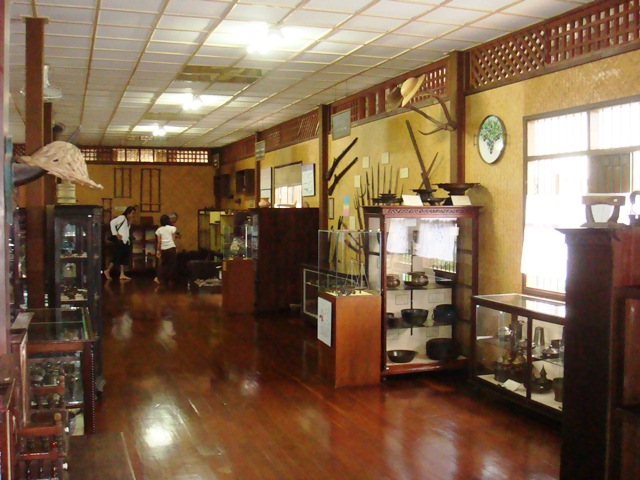
The Sergeant Major Thawee Folk Museum is a private museum in central Phitsanulok, born from the collecting passion of Sergeant Major Dr. Thawee Buranakhet — a skilled bronze caster from the city who spent over thirty years gathering everyday objects from communities along the Nan and Yom rivers. From things many people would throw away, he built an archive of lower-northern heritage that is genuinely rare to find anywhere else. The right place for anyone who loves local history, old objects, and anyone who wants to bring children to see real-life objects from an older era.
The museum is divided into sections inside traditional Thai wooden buildings: old photographs of the city market and the great fire, hundreds of animal and fish traps of every kind, ox carts, kitchen implements, woven textiles, antique coins, and a reconstructed house interior — plus an exhibition on the Lao Song (Tai Dam) people. Foreign reviews compare it to a grandfather's garage that is clean and has English labels. The thing you absolutely should not miss is crossing the road to the Burana Thai Casting Workshop — free to enter, where you can watch craftspeople cast bronze Buddha images live, using the traditional ten-artisans' method, from clay modelling all the way to pouring the molten metal.
Very affordable: adults 50 THB, children 20–25 THB; the casting workshop is free. Reviews consistently say it's more than worth the price — many visitors lose track of time. Location on Wisut Kasat Road in the city, close to the Nan River and Wat Phra Si Rattana Mahathat. Short drive or ride from the city centre. Parking in front of the museum. Open daily 08:30–16:30, closed Mondays.
High Google rating of 4.5 from over 700 reviews — consistently named an exemplary folk museum of Thailand. Worth knowing: some sections are densely arranged and lighting is subdued, so allow a comfortable 1–2 hours. If you want to watch the bronze casting being done, come in the morning or early afternoon. Then cross to the workshop in the same trip.
Phitsanulok Railway Station (Steam Locomotive in Front)
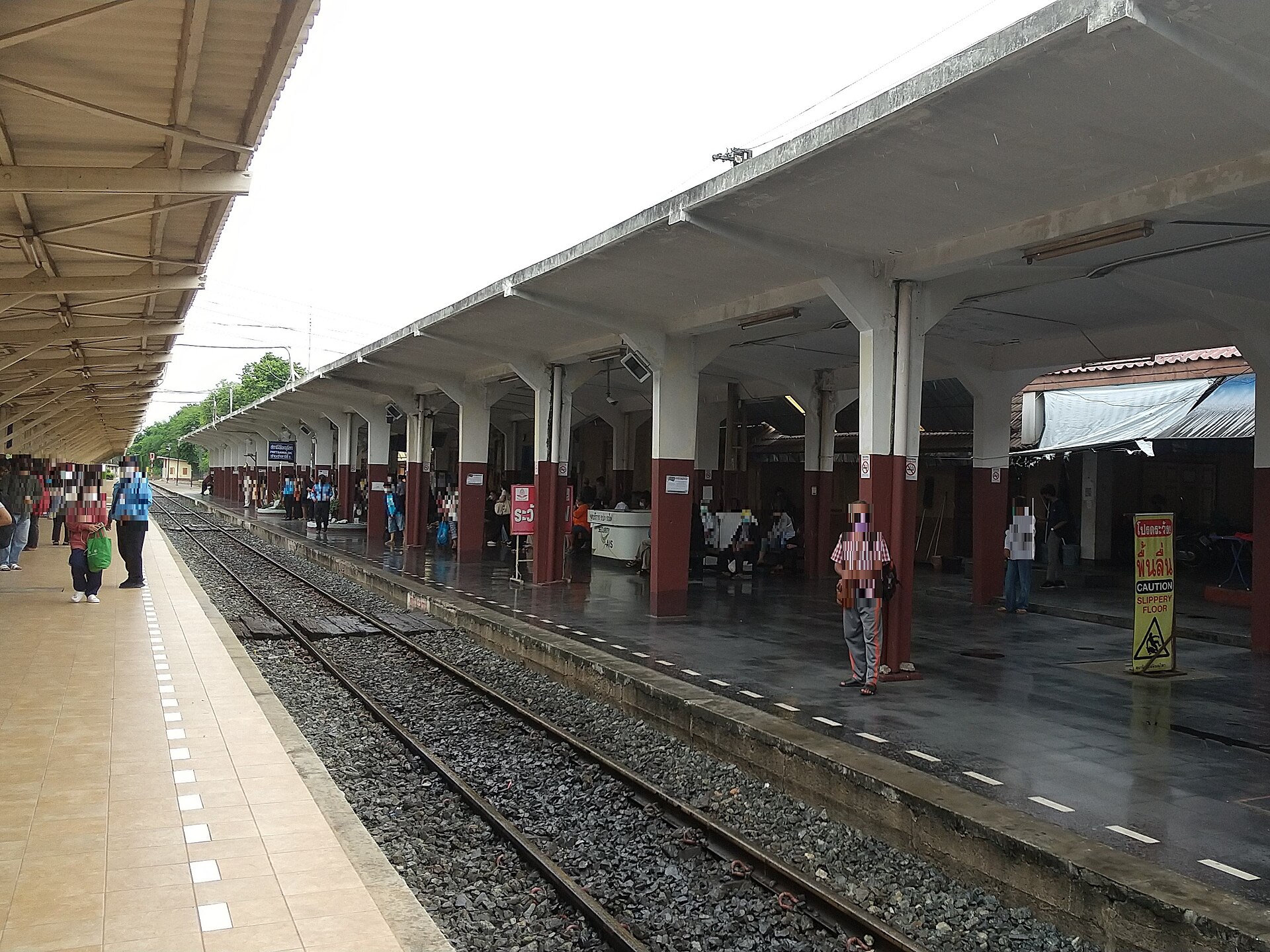
Phitsanulok Railway Station isn't just a place to board trains — it's been a landmark and photo spot for the City of Two Rivers for a long time. The star is right out front: a vintage steam locomotive, E Class No. 181, displayed in the open forecourt. Black bodywork with green, red, white, and gold trim, roughly a hundred years old, dating from the Rama V era when trains first reached Phitsanulok in 1907. Ideal for anyone who loves old things, historical stories, or wants a good vintage-style photograph. An easy stop that needs almost no advance planning.
The thing you shouldn't miss is having your photograph taken next to the steam locomotive — it stands in the open air out front of the station with no fence blocking it, easy to walk right up to. Popular angles: stand beside the engine, or step back to include the whole locomotive plus the classic old station building. Nearby there is also a clock tower, another photo spot. Foreign visitor reviews praise the classic look, the atmosphere of the platform, and the sense of real life: people actually using the train, going about their day. Good for portraits and lifestyle-style shots.
No entry fee at all — walk in and photograph the locomotive for free. The main cost is just getting there. Located in the city centre on Ekathotsarot Road, Mueang Phitsanulok Subdistrict. Convenient stores, markets, food, and major temples like Wat Phra Si Rattana Mahathat are all within walking distance or a short tuk-tuk ride. The locomotive is outdoors and accessible at any hour; the station itself operates trains all day.
Popular because it combines a historical landmark, a free attraction, and a central city location in one stop — a good starting point for a Phitsanulok day trip. Small note: the area is busy with tuk-tuks — always agree on a price before you get in. For the best light for locomotive photographs, morning or late afternoon is ideal — not too hot and the light is softer.
Phu Hin Rong Kla National Park
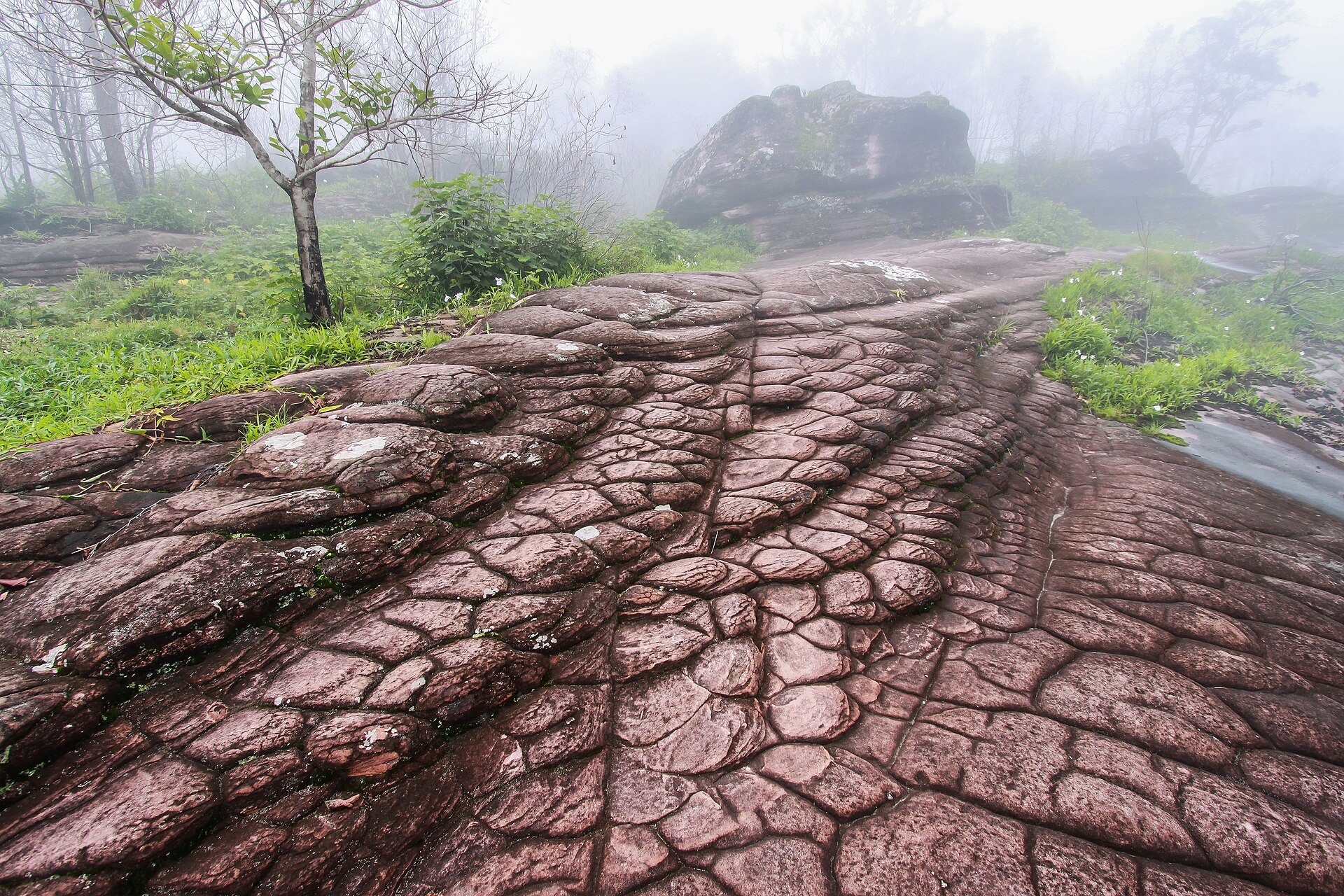
Phu Hin Rong Kla is a national park sitting at the junction of three provinces — Phitsanulok, Loei, and Phetchabun — with the headquarters on the Nakhon Thai side in Phitsanulok. Declared Thailand's 48th national park in 1984. What makes it unusual is that it combines two distinct things: the bizarre sandstone rock formations that are genuinely hard to find elsewhere, and the traces of the Communist Party of Thailand (CPT) battles here from 1968–1972. The air up here is cool almost year-round, and in the cool season thick mist settles in — which is why people drive the considerable distance to come.
The highlights you absolutely should not miss are Lan Hin Pum — a wide stone plain covered in rounded protrusions rising from the surface like natural sculptures — reached by walking roughly 1 kilometre from the car park along the nature trail. Continue another approximately 500 metres and you reach Pha Chu Thong, the cliffside viewpoint with strong cool wind and a sunset vantage point. Then Lan Hin Taek — a 40-rai stone plain with long cracks running across it like the earth split open. Nearby are Pa La-U Waterfall and the historical zone: the Battle Museum, the Military-Political School, and air-raid shelters, where you can walk through the story of that period.
Travel from Phitsanulok city towards Nakhon Thai District is roughly 125 kilometres — the final section is steep winding mountain road. Saloon cars can make it but need low gear and good brakes. Entry fee: Thai adults 40 THB, foreigners 200 THB, plus 30 THB vehicle fee. The headquarters and visitor centre open approximately 08:00–16:30 daily; camping areas are accessible throughout.
Tip from people who've been: if you want sea of mist, stay overnight at the Phanoen Thung camp or Ban Krang, then wake early to walk up to Lan Hin Pum and Pha Chu Thong before dawn. Overnight cabins and camping spots can be booked through the national park department system in advance. Cool season is very busy — book early. Bring warm layers — nights on the mountain are genuinely cold — and good walking shoes as the rock surfaces are slippery when wet.
Ban Mung Bat Cave, Noen Maprang (Unseen Bat Colony)
Ban Mung Bat Cave is a natural evening spectacle in a limestone valley locals call the Thai Guilin — in Ban Mung Subdistrict, Noen Maprang District, Phitsanulok, roughly 68 kilometres from the city, about 90 minutes by car along the Phitsanulok–Lom Sak road. The headline is that every evening a colony of wrinkle-lipped free-tailed bats numbering in the millions streams out of the cave in the limestone hill in a long ribbon across the sky — some evenings in a single column, some evenings splitting into two streams. Right for anyone who loves unusual nature, photographers, and families wanting to show children something genuinely rare in everyday city life.
The thing you absolutely should not miss is standing and waiting for the moment the bats begin emerging from the cave — watching against the backdrop of limestone peaks that are hundreds of millions of years old, framed against the sky while the sun is setting. Real reviews say it is "spectacular" and "unlike anything you see in the city." Around the area there's also Wat Ban Mung, a small park, and views of cornfields at the base of the karst hills to stroll through and photograph before the bats emerge. Anyone with time can try riding the community e-taek cart run by local villagers, which takes you around different spots in the community — you get local guide stories as a bonus.
The bat viewing spot itself is free — drive up and watch at no charge. Anyone wanting the full experience can book the community e-taek cart at roughly 500 THB per trip (seats about 10 people), going up to 800–1,200 THB depending on group size and route. Worth it when split among a group. Popular as Phitsanulok's Unseen destination, with news coverage and review clips of the bat colony appearing regularly.
Good to know before going: the bats usually emerge around 17:30–18:30 daily, but the exact time shifts with the season. Arrive about 30 minutes early to find a good viewing spot. Bring water and snacks as shops may be limited. Wear comfortable shoes. Allow for the fact that some days the bats may emerge a little earlier or later than usual. For a full experience, staying one night in a Ban Mung homestay or mountain-view guesthouse gives you the slow-life atmosphere at its best.
Book Tours and Attraction Tickets in Phitsanulok
Want to cover several Phitsanulok spots in one day without driving yourself? Look for city tours or a Noen Maprang trip through Klook or GetYourGuide — options include guided tours of the old riverside temples, and nature trips with transport arranged to get you to Ban Mung bat cave in time for the colony to emerge. Booking online in advance helps you plan your timing precisely and skip the queue.
💡 Good to Know Before Visiting Phitsanulok
City attractions along the Nan River are walkable or a short Grab or motorcycle taxi ride away. To reach Ban Mung bat cave in Noen Maprang you need a car or a booked tour — it's far out and public transport is scarce.
Market stalls and the walking street mostly accept cash. Central Phitsanulok and larger shops accept cards and QR PromptPay. Street food stalls: cash is the safe bet.
The Phra Buddha Chinnarat viharn at Wat Yai gets busy from late morning to afternoon and on holidays. Go early for a calmer photograph and prayer. For the Ban Mung bat cave, arrive before sunset to find a good viewing spot.
Phitsanulok has several important temples — dress modestly, cover shoulders and knees when entering viharns, remove shoes, and lower your voice when people are praying.
English signage and menus are available at main attractions and the mall. Market stalls may be Thai-only — a translation app or pointing at items gets you far. Phitsanulok locals are friendly; a smile and a wave go a long way.
Most temples are free to enter but have donation boxes — contribute what feels right. Regular restaurants don't require a tip; leaving your change is perfectly fine, or not at all.
Planning a Well-Paced One-Day Phitsanulok Trip
Most of Phitsanulok's highlights are clustered in the city along the Nan River — walkable or a short ride between them. Start early at Wat Phra Si Rattana Mahathat Woramahaviharr (Wat Yai) to pay respects to Phra Buddha Chinnarat while it's still quiet — the viharn opens around 08:30. Then walk or ride over to Wat Chan Tawantok on the Nan riverside for the golden viharn photographs. Mid-morning to afternoon, take the history trail: Chan Palace and King Naresuan the Great Shrine, followed by the Sergeant Major Thawee Folk Museum, open approximately 08:30–16:30, adults 50 THB. Across the road is the Burana Thai Casting Workshop — watch the bronze-casting live, free.
When the sun drops, head to Suan Chom Nan Chalerm Phrakiat along the Nan riverbank for a walk or jog as the locals come out in the evening, then close the day at the Phitsanulok Walking Street along the Nan — lively every Saturday. Anyone with a car and wanting the nature highlight must budget for the drive out to Ban Mung bat cave, Noen Maprang — a fair distance from the city. The bat colony emerges around 17:30–18:30, so leave early enough to arrive 30 minutes before and claim a good spot.
Covering Phitsanulok's attractions in one day is much more comfortable with a city-centre base on the Nan River. Wake up and walk straight to Phra Buddha Chinnarat, take a midday rest, then head out for the bat cave in the evening — no rush. Compare hotel prices in the riverside area in advance and get the room and rate you want.
Compare Phitsanulok city-centre hotel prices