🔄 Last checked 26 Jun 2026 · details and hours can change — check the venue before you go
📍 All restaurants on the map
Tap a pin for the spot + nearby stays
Phrae's charm is being an old town that's easy to walk yet packed with good things. The highlights cluster inside the inner city wall, an area known as Nai Wiang. Walk a few steps and you'll come across century-old teakwood houses, the pastel gingerbread-style Khum Chao Luang, the pink, intricately carved Vongburi House, and old temples tucked down the lanes. On Saturday evenings, Kham Lue Road turns into Kad Kong Kao, a cultural walking street where you can graze on local food and shop for indigo cloth at the same time. Head a little out of town and you'll find Wat Phra That Cho Hae on a hill to the east, Phae Mueang Phi where earth pillars and earthen walls have been carved into strange shapes by wind and rain, and Ban Thung Hong, the source of Phrae's indigo cloth. For nature and cafe lovers, you can drive up to Rong Kwang and sleep overlooking a sea of mist along the ridgeline road. It all links together easily — for spiritual travellers, old-town wanderers, craft enthusiasts, and cafe hoppers alike.
This list holds the pins you shouldn't miss in Phrae. There's Wat Phra That Cho Hae, a royal monastery whose octagonal stupa — the birth-year relic for those born in the Year of the Tiger — gleams under gilded jangko copper, the temple pilgrims come to worship. There's Khum Chao Luang, now the Phrae city museum and once a filming location for the drama Roi Mai. There's Vongburi House, a pink teakwood bridal home over 120 years old, carved with gingerbread trim throughout by Cantonese-Chinese craftsmen. There's Wat Chom Sawan, Phrae's only Burmese Bagan-style temple built entirely of teakwood. And there's Ban Thung Hong, the indigo-cloth source where you can try tie-dyeing your own piece. Cafe lovers get Black Sheep Cafe, a vintage cafe set in a garden in town, and Nomad Cafe & Bar, a cafe by day and a bar by night in the Kad Kong Kao neighbourhood. Scroll through the details spot by spot and plan your own route.
Wat Phra That Cho Hae (Royal Monastery)
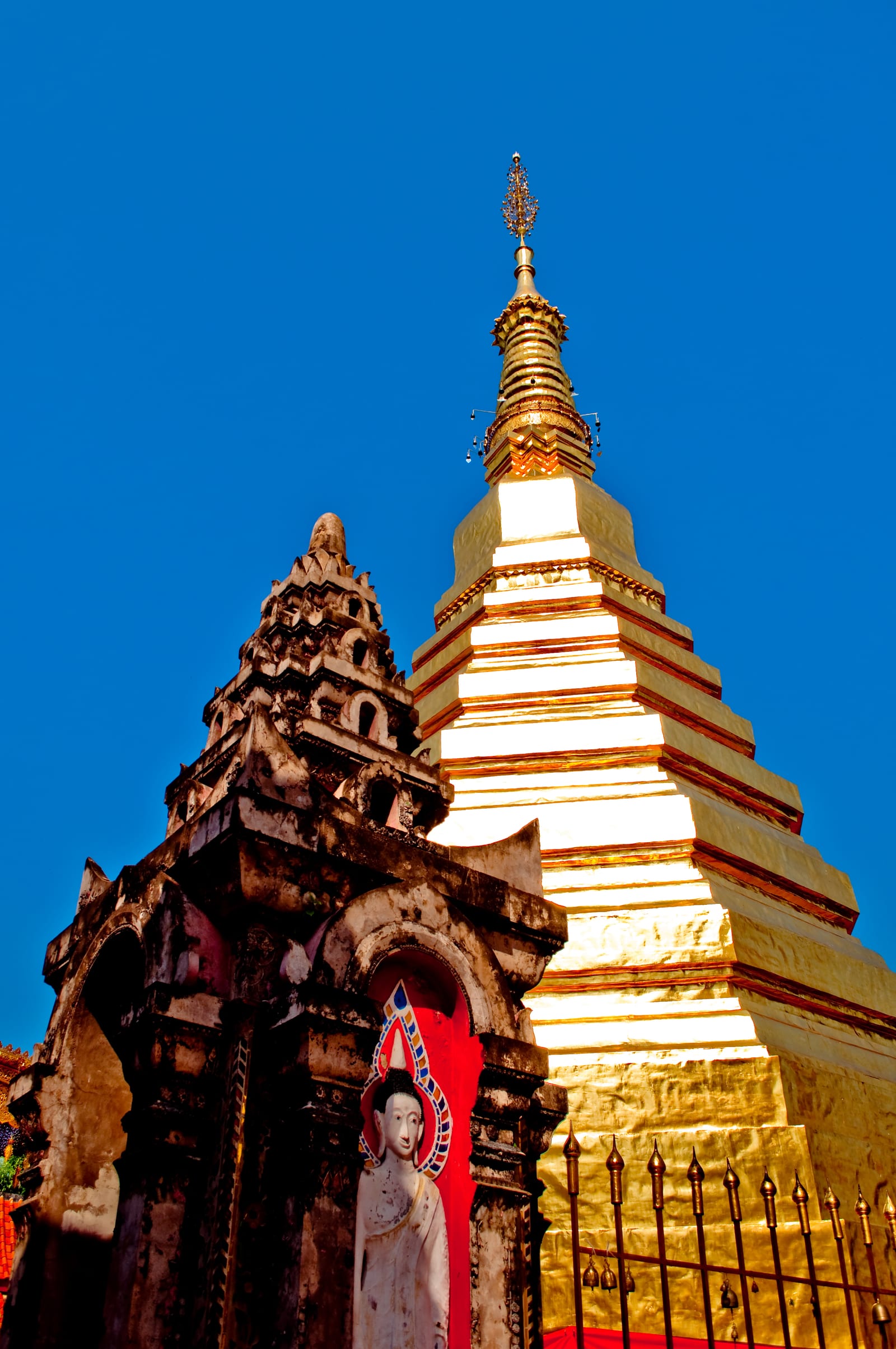
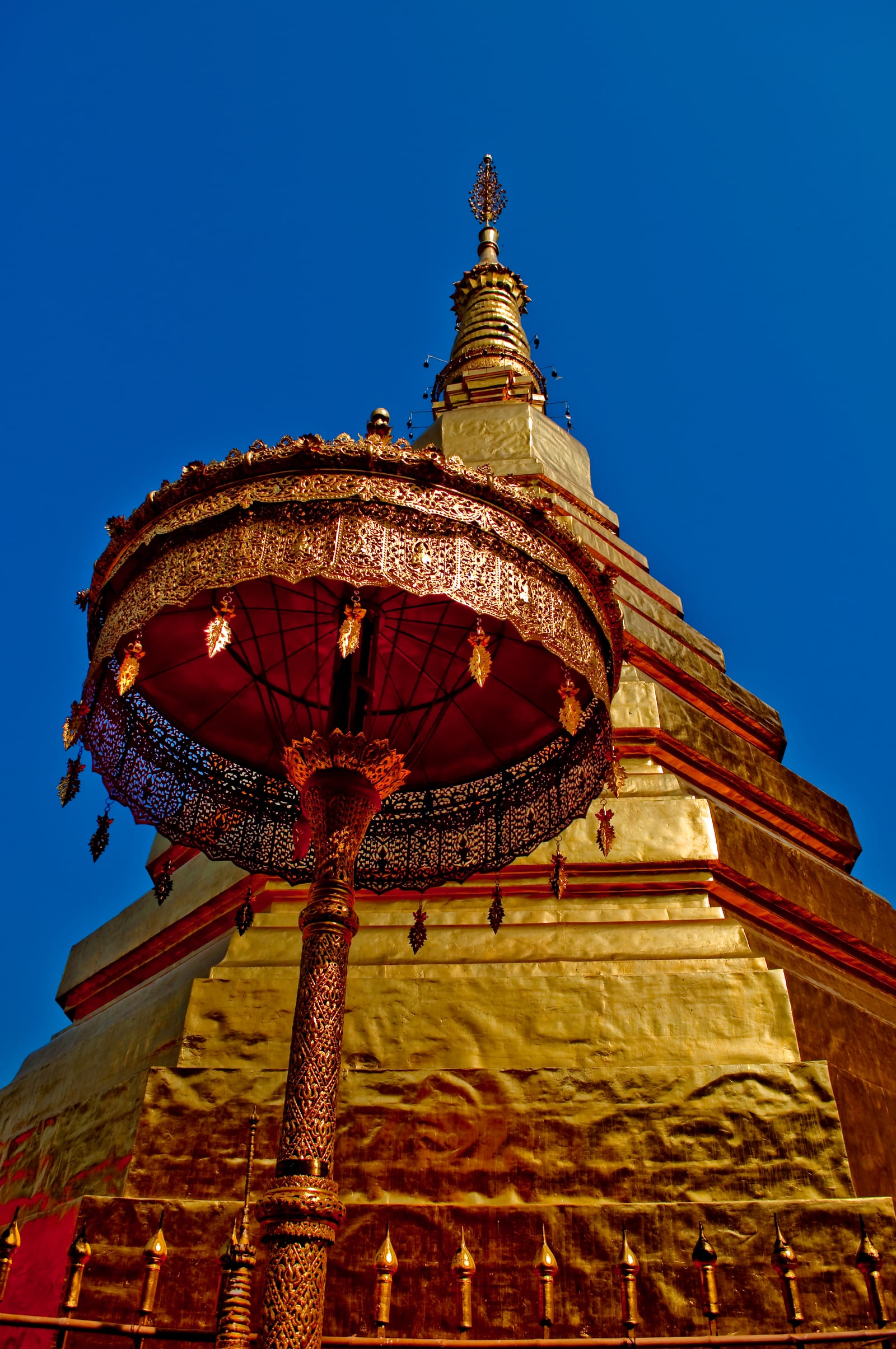
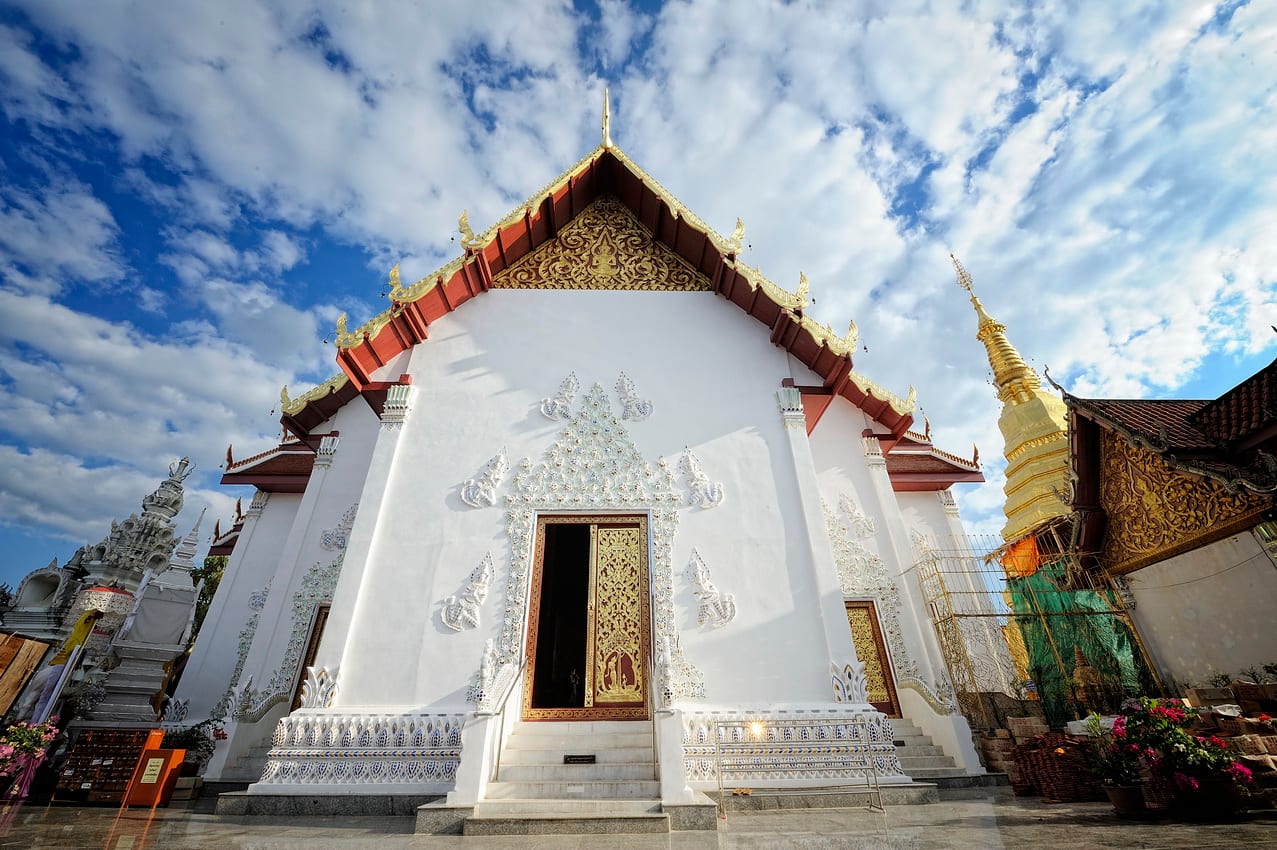
If you come to Phrae and only have time for one stop, locals will tell you to head straight to Wat Phra That Cho Hae (Royal Monastery) first, because it's the temple that has been at the heart of Phrae life for hundreds of years. It sits on a low hill about 9 kilometres east of town — an easy drive of under twenty minutes. This is the birth-year relic for those born in the Year of the Tiger, so pilgrims make a special point of coming to worship, though anyone born in any year can come to pray.
The highlight you can't miss is Phra That Cho Hae itself, an octagonal Chiang Saen-Lanna style stupa 33 metres tall, clad in luk buap gold (jangko gold) that glows yellow all over, enshrining relics of the Buddha inside. When the sun catches it, it's genuinely beautiful — many people say it looks like a miniature Phra That Doi Suthep. Within the temple grounds you'll also find Phra Chao Than Jai, Phra Phuttha Loknat, and an old teakwood viharn to worship and walk through.
As for atmosphere, most reviews agree that a weekday visit is quiet and peaceful, with few people and easy walking. On weekends and during the Cho Hae relic-worship festival (around March) it gets very crowded. The path up to the stupa involves climbing a naga staircase of around a hundred steps; if you can't manage it, there's a lift for a 20 THB service fee. There's no admission charge to enter the temple. There's a large car park, restrooms, and plenty of souvenir and food shops.
A few things to know: this is a sacred temple where people come to worship in earnest, so dress modestly, and coming in the morning gets you the best light and cool, comfortable air. The temple opens daily around 06:00–19:00. Its Google review score is as high as 4.7 from over a thousand reviewers, reflecting that it really is one of Phrae's top destinations.
Phae Mueang Phi (Phae Mueang Phi Forest Park)
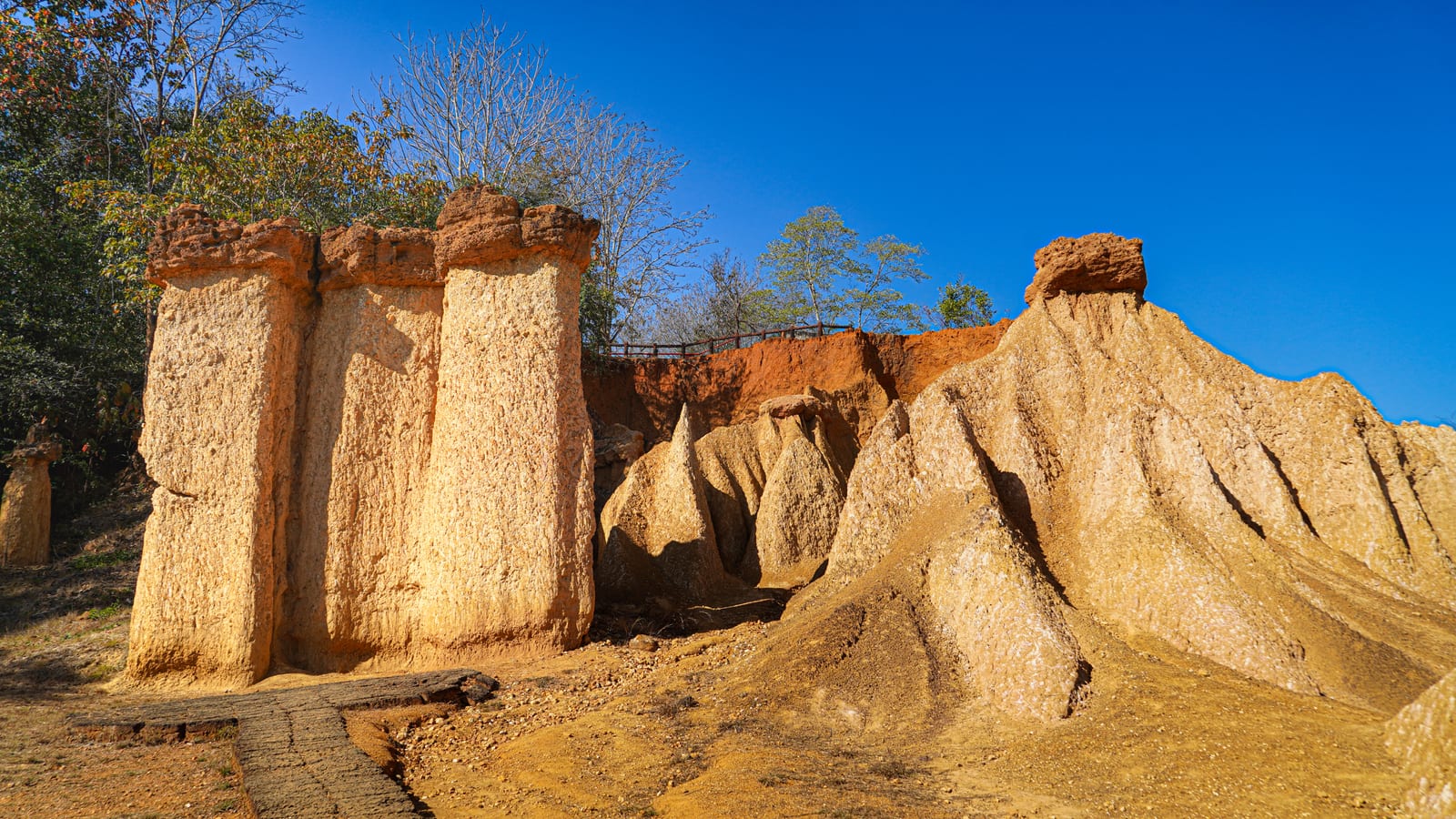
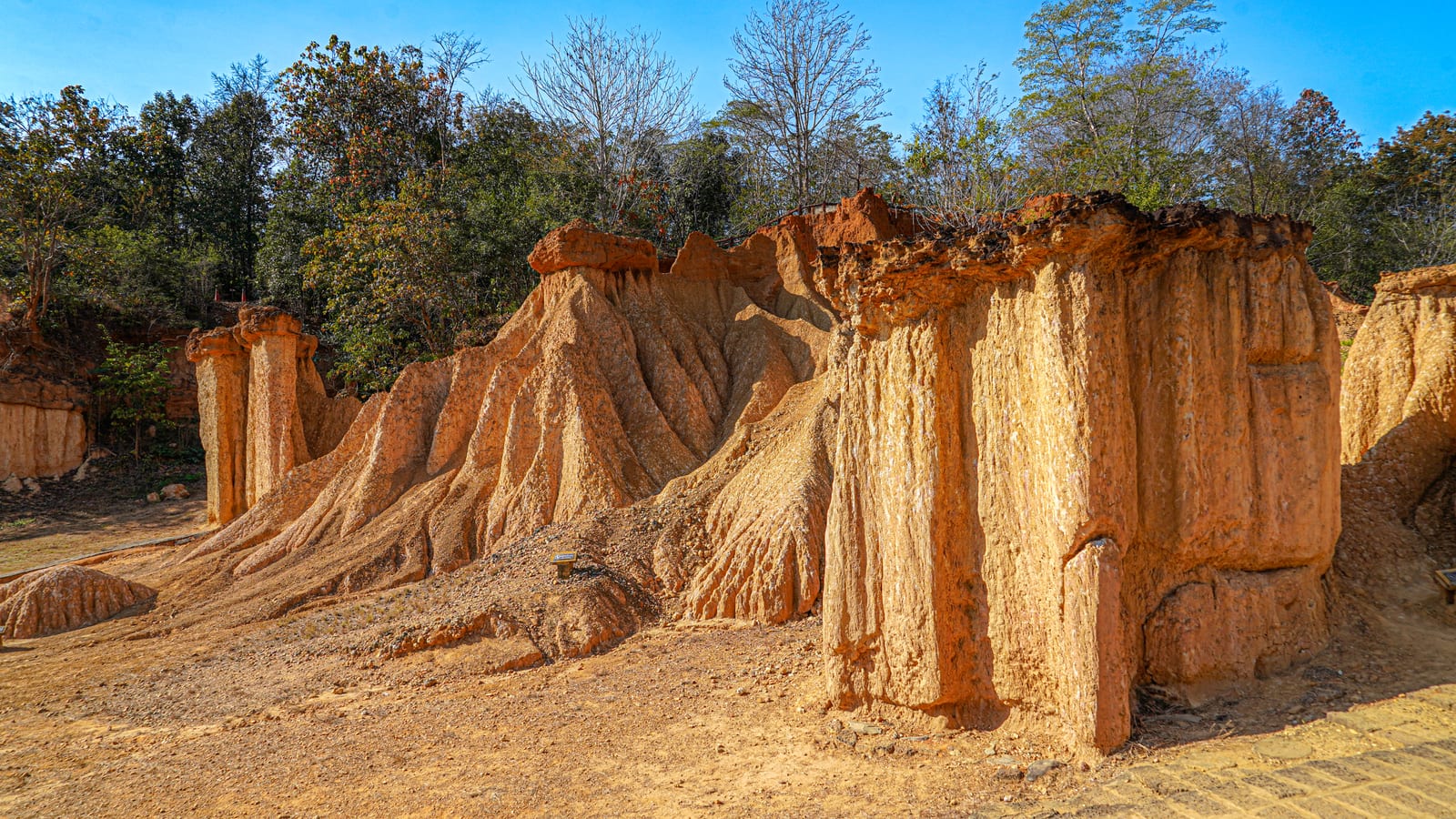
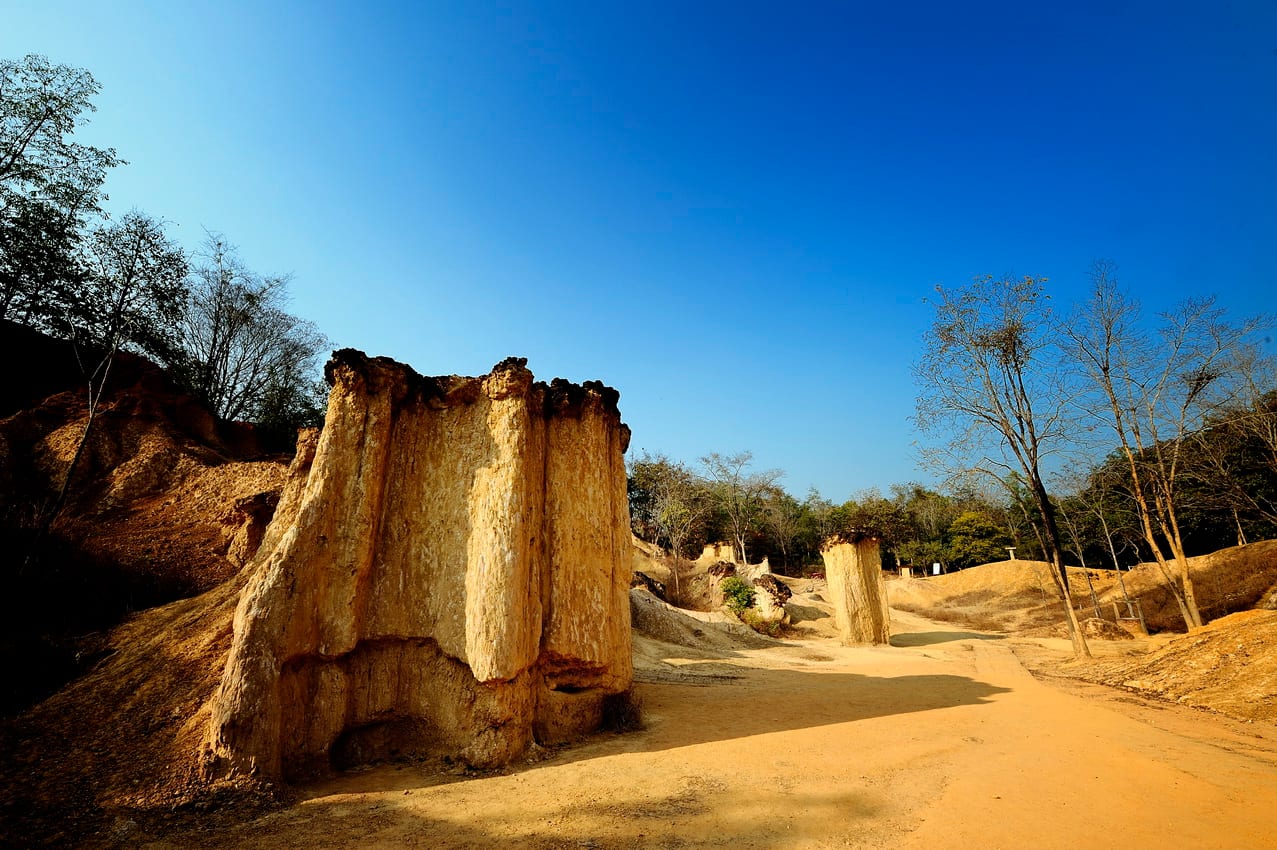
Phae Mueang Phi, officially Phae Mueang Phi Forest Park, is a place where nature spent millions of years slowly eroding soil and sandstone into earth pillars, earthen walls, and rock columns of odd shapes — some like mushrooms, some like stupas, some like fairy-tale castles. Anyone who likes unusual natural scenery, gentle walks, and good photos will love it here. It's the most famous natural landmark of Phrae, and locals take pride in the idea that anyone visiting Phrae has to stop by.
The highlight not to miss is walking the nature trail in to see the big cluster of earth pillars standing in rows like a stone forest, then continuing up to the higher Pha Pho Lae viewpoint, where you look down on the whole group of pale-brown earth pillars set against the surrounding green forest — a photo angle many people say is beautiful from almost every direction. Multiple genuine reviews agree the place isn't very large; a walk-through takes about 30 minutes to an hour to cover, so it suits a stop along the way rather than a full day, and there's a well-known grilled-chicken shop at the entrance to stop for a bite.
Check the entry fee and opening times before you go, because the information varies by source. At some times entry is free; at others there's an upkeep fee of around 20 THB per person plus a vehicle fee. Opening hours run around 08:30–16:30 daily. It's located in Tambon Nam Cham, Mueang Phrae, about 15 km northeast of town — an easy drive of under half an hour, with a large car park.
Things to know: the sun here is strong and there's little shade, and parts of the trail are sandy soil, so go in the morning or late afternoon to avoid the midday heat, wear comfortable walking shoes, and bring water and a hat. If it has just rained the path can be slightly slippery, so walk carefully — and you'll come home with plenty of lovely earth-pillar shots.
Khum Chao Luang (Phrae City Museum)

If you're touring Phrae's old town and only have time for one stop, many people will tell you to make Khum Chao Luang one of your first. This was the former residence of Chao Phiriyathepwong, the last ruling lord of the city of Phrae, built around 1892 (early in the reign of Rama V). It's a two-storey brick-and-plaster building in the gingerbread style, a Thai-European architectural blend that was popular at the time. The spots people photograph most are the fretwork wood along the eaves and gable ends, and the doors and windows, said to number 72 in all. It suits anyone who loves history, architecture, and easy old-town wandering.
There are several floors of highlights not to miss. Upstairs, the lord's rooms are on display, along with old belongings and a reception room that still keeps its original atmosphere. What people talk about most is the ground-floor undercroft, which in the past was used to hold prisoners and slaves. One Wongnai review put it plainly: "It's good, but maybe a little spooky" — because there are small square openings once used to peer in at prisoners, plus illustrations of punishments from that era. Another thing that made this residence famous is that it was a main filming location for Channel 3's drama Roi Mai; anyone who's watched it will find it instantly familiar standing out front.
Budget-wise it's very easy, because today it operates as the Phrae city museum with free entry — no admission charge. It's open daily 08:30–16:30. It sits in the heart of the walled old town on Khum Doem Road, Tambon Nai Wiang, near Naree Rat School, and you can walk or cycle on to Vongburi House and the old temples in the neighbourhood in a single trip.
A few things to know: the building is a registered heritage site, so walk gently and don't touch the exhibits. Most of the explanatory signs are in Thai, so if you want deeper anecdotes, try asking the staff. And because it's an old wooden building, late morning to afternoon gives the prettiest light for photos.
Vongburi House
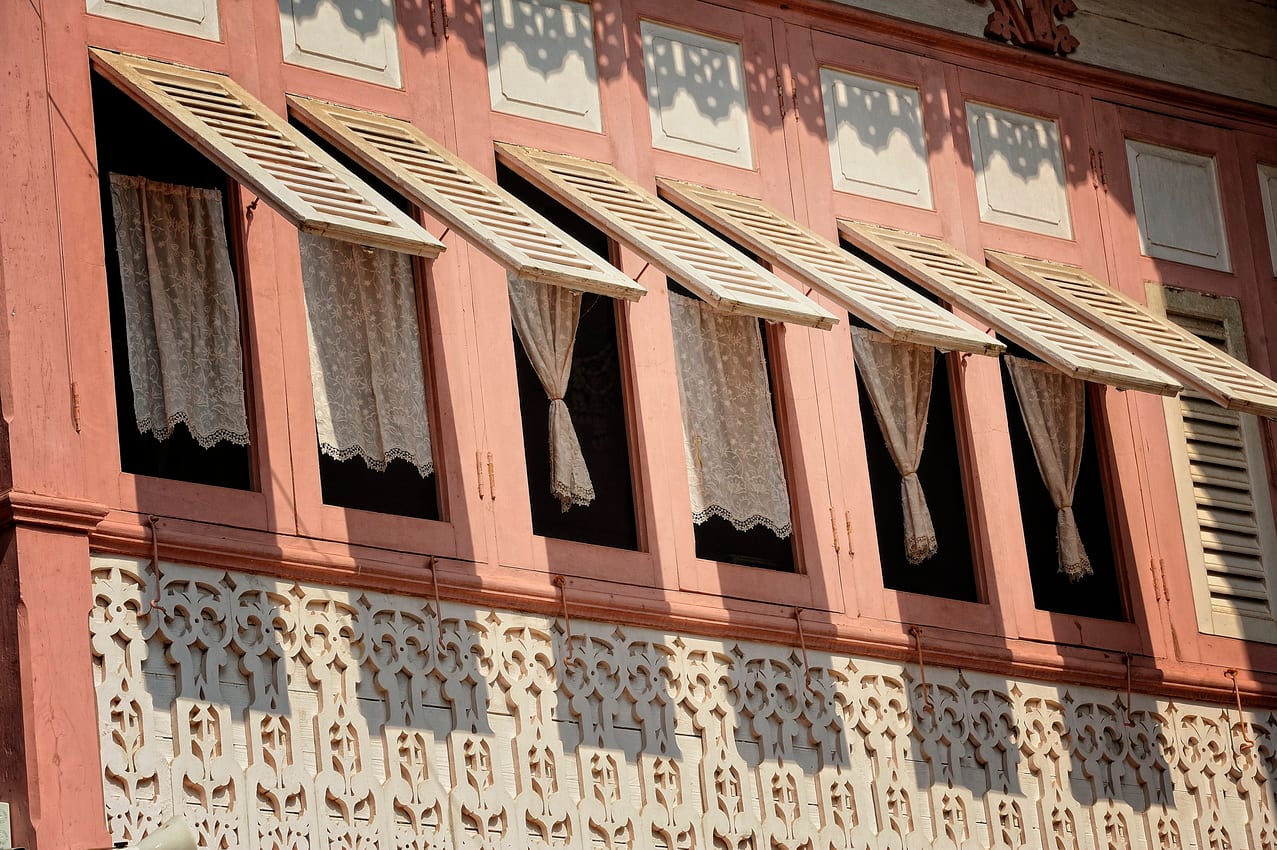
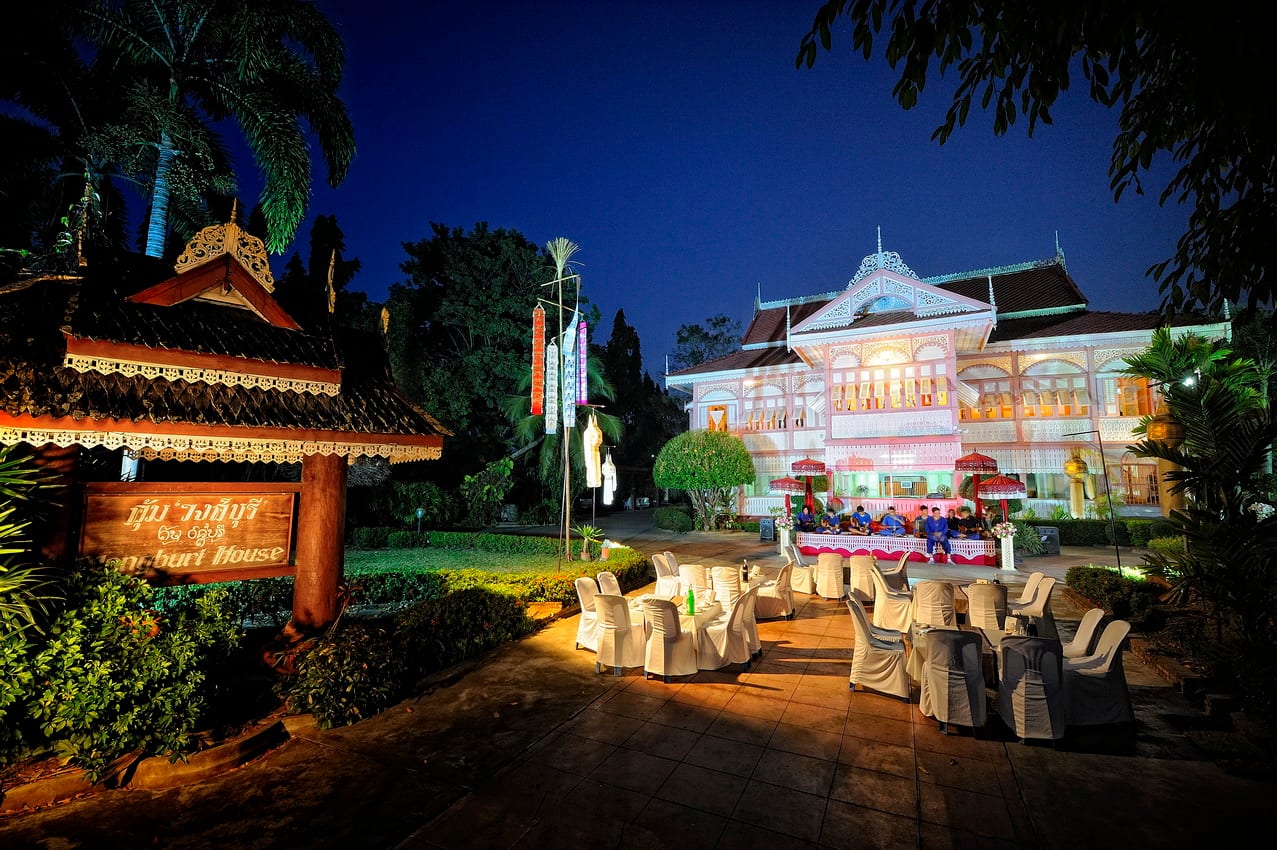
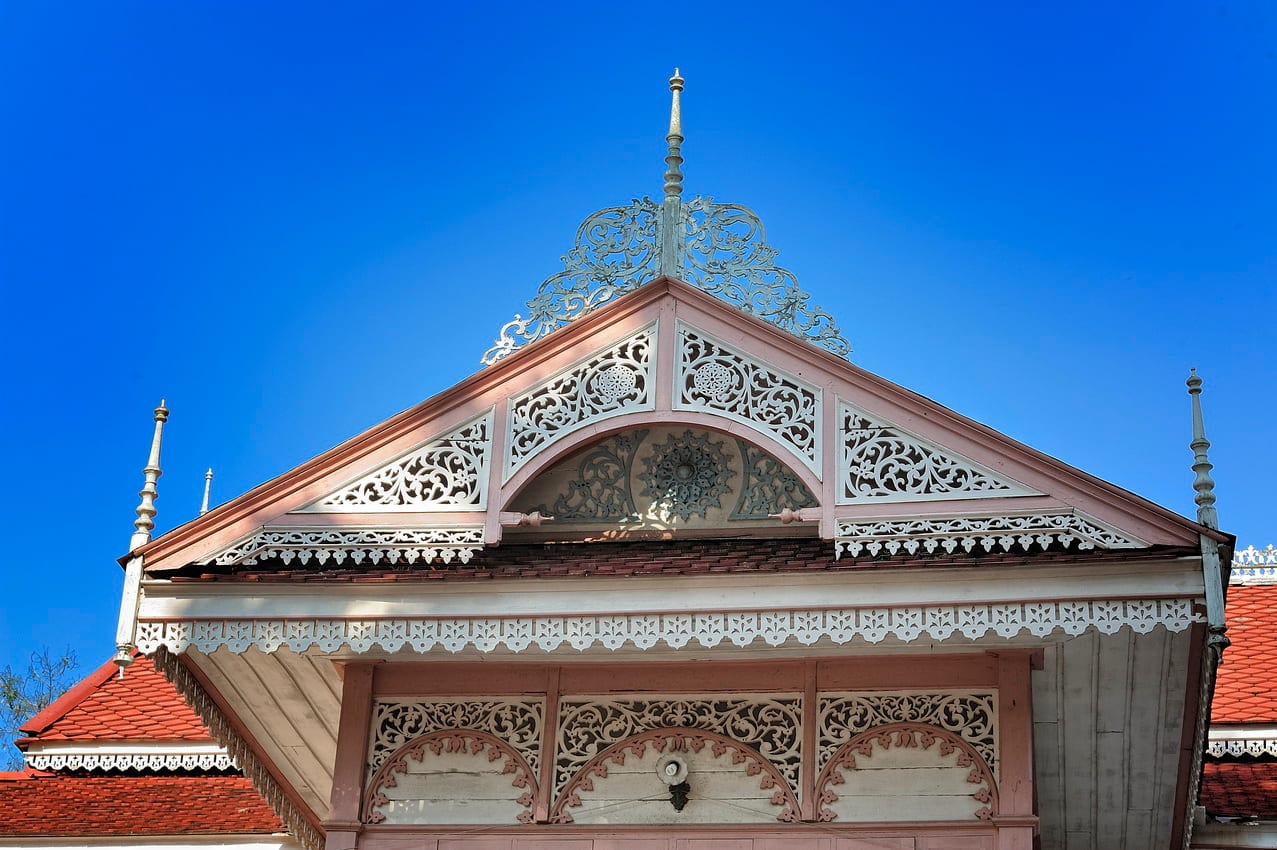
Vongburi House, which Phrae people commonly call Khum Vongburi, is a two-storey pink golden-teak bridal home in the heart of the old town that would be a shame to skip on any Phrae visit. The house was completed around 1900, making it over 120 years old, built as a wedding gift by Mae Chao Buatha, consort of Chao Luang Phiriyathepwong, the last ruling lord of the city of Phrae, for a couple in the family. What makes people stop and stare is the sweet pink covering the whole house set against the finely fretted wood trim known as gingerbread work, crafted under the supervision of Cantonese-Chinese artisans working alongside local craftsmen, coming out as a rare Thai-Lanna-European hybrid. It suits history lovers, architecture enthusiasts, and photographers looking for a classic angle.
The highlight not to miss is walking up to the second floor, because inside are still kept almost all the belongings of Phrae's ruling family — old teakwood furniture, silverware, ceramics, antique photographs, and even rare old documents such as slave sale contracts and papers from the teak-concession era. The owner's descendants still live here and help care for the museum themselves, so the atmosphere feels warm, like visiting an elder relative's home rather than a stiff museum.
Entry is very easy on the wallet — around 30 THB for adults, cheaper for children. It's open daily around 09:00–17:00. The location is excellent, on Kham Lue Road, Tambon Nai Wiang, just a few minutes' walk from Kad Kong Kao (the Saturday walking street), and within the same radius as Khum Chao Luang and several old temples, so you can plan to continue exploring the old town on foot.
Most genuine reviews praise how well the house has been maintained — so well that it once earned an Outstanding Architecture Conservation Award from the Association of Siamese Architects. Visitors say it's worth every baht of the modest entry fee. One thing to know: it's an old wooden house, so tread gently on the wooden floors, some areas prohibit photography or require you to remove your shoes, and it's a home with people actually living in it — mind your manners and everyone, you and the hosts alike, gets a better visit.
Kad Kong Kao (Phrae Walking Street)
If your visit to Phrae happens to land on a Saturday night, don't miss Kad Kong Kao, the Phrae walking street. It's a cultural walking street held on Kham Lue Road in the old town, near Vongburi House and Wat Phong Sunan. What sets it apart from an ordinary walking street is the atmosphere of the real old timber houses still standing in the middle of town, and many vendors coming out to set up shop in indigo mo hom outfits. Walking it, you get the feel of a small town moving slowly, no need to rush. It suits people who like a relaxed pace, photographers, and families who want to bring the kids for a stroll and a taste of local food.
The highlight reviewers mention often is the wide range of local food to choose from — savoury dishes, old-fashioned sweets, local fruits and vegetables, right down to fresh fruit juices, all at down-to-earth village-market prices. Another thing many people come specially for is the mo hom and indigo-dyed cloth that Phrae is known for, with both ready-made clothes and community handicrafts to carry home as souvenirs. Walk on and you'll find small coffee shops down the lanes, and at the far end a temple to stop and worship at too.
You can relax about the cost: entry is free with no admission charge, and a food-and-strolling budget in the low hundreds is plenty to fill up on. The location is in the old town, Tambon Nai Wiang, Mueang Phrae, with parking easy to find nearby. It only opens on Saturday evenings, roughly 15:30 to 21:00 (some weeks starting around 16:00); come in the early evening when all the shops are set up and the air is turning cool.
It's popular because it's both a genuine market for Phrae locals and a space the community built together to preserve local food and crafts. Wongnai reviewers rate it positively, praising the lovely, uncrowded, easy-walking atmosphere. One thing to know: it opens only on Saturdays — come any other day and you'll find just a quiet old-town neighbourhood — and some shops start packing up before 21:00, so arriving early evening gets you the fuller spread.
🛏️ Hotels in Phrae — stay in the old town or up in the Rong Kwang mountain view
To get the most out of Phrae, try staying a night — you'll get to wander the old town in the evening and worship at Wat Phra That Cho Hae in the morning while it's still quiet. The most popular places cluster in Phrae town in the Nai Wiang area, an easy walk to Khum Chao Luang, Vongburi House, and Kad Kong Kao, with everything from small hotels in old houses to boutique stays. Nature lovers who want to sleep above a sea of mist can pick a ridgeline homestay near Rong Kwang like Rai Lung Lon. Choosing a location close to the spot you want to hit first thing pays off most — compare prices and reviews before you book.
Rai Lung Lon Camping Is Life
Rai Lung Lon Camping Is Life is a small cafe, campground, and homestay clinging to a ridge along the "sky road" Route 1343 (Phrae–Nan), behind Wat Phra That Pu Chae in Rong Kwang district. It suits campers and cafe lovers who want to escape the bustle and sit back with views of the rounded green hills that locals nickname the "Teletubby hills." The real selling point is the wide-open 360-degree mountain view all around, letting you sip coffee at midday, grill dinner in the evening, and wait for a morning sea of mist all in one place.
The highlight not to miss is sitting in the upper cafe zone, decorated in camp style, with a drink in hand and your eyes lost in the ridgelines. If you want to stay over, there are about seven small wooden cabins lined along the hillside, each with a balcony facing the view, so on a clear morning you can open the door straight onto a sea of mist. Another spot many people love standing at for photos is the bend in the sky road near the property, which is especially lovely in the evening light.
Budget-wise it's friendly. Drinks are in the low hundreds, and many reviews agree that "for the view, it's worth it." Rooms start around 1,300–1,500 THB a night for two people including breakfast. The cafe opens daily around 08:00–18:00 (usually earlier on holidays). The property is about 30 minutes from Phrae town, an easy drive up Route 1343.
Things to know before you come: the accommodation runs on solar power, so you can't use high-wattage appliances like a hairdryer, and the property doesn't accept pets. The wind on the ridge is strong and it gets cold, especially in the cool season, so bring a warm jacket. The most popular time is late rainy season into early cool season, when the chance of a sea of mist is highest — call ahead to check availability and the weather before you set off.
Wat Chom Sawan (Wat Chong Nuea)

Wat Chom Sawan, which Phrae people commonly call Wat Chong Nuea, is the only Burmese Bagan-style temple in the city of Phrae, with the main building made entirely of teakwood, combining the ubosot, viharn, and monks' quarters all under one roof. The roof stacks in tiers like a palace, decorated with fretwork wood and coloured glass until it glitters, built through the faith of the Tai Yai (Shan) people who came to trade in teak in Phrae during the reign of Rama V. Anyone who likes old temples with a feel different from typical Lanna temples shouldn't skip this pin.
Almost everything not to miss is inside. The highlight is Luang Pho San, a Buddha image made from woven bamboo then lacquered and gilded, which is very rare to see, along with an ivory scripture carved with Burmese script, ivory Buddha images, and gilded lacquered columns decorated with exquisite patterns. There's a carved wooden ceiling inlaid with coloured glass that many reviews say you have to crane your neck to admire for a good while. Outside is a central Burmese-style stupa surrounded by smaller stupas in every direction. The overall atmosphere is quiet, peaceful, and shaded, not crowded, and easy to walk and photograph.
The location is excellent, right on Yantrakit Koson Road in the old-town area, only about 1 kilometre from the provincial hall, with a large car park. It's open daily around 08:00–16:30, free to enter (with a donation box for temple upkeep). Most genuine reviews praise the delicate woodcarving work and the tranquillity; some say it's a temple so "different from the others" that it stays with you. TripAdvisor also ranks it among the top attractions in Phrae.
Things to know: the temple was registered as a national heritage site in 1990, and the wooden floors and antiquities are quite fragile, so remove your shoes when entering the building, walk gently, and dress modestly, since it's still an active place of worship. On a Phrae trip you can easily pair it with Wat Phra Bat Ming Mueang and Khum Chao Luang along the same route.
Ban Thung Hong (Mo Hom Indigo Cloth Source)

If you come to Phrae wanting a truly distinctive souvenir, Ban Thung Hong is a pin you can't skip, because this is the original source of Phrae's mo hom cloth (which many people call mo hom). It's an old Tai Phuan village that has been dyeing cloth with the hom plant for over a hundred years, until it became the provincial signature people sum up as "come to Phrae and you have to bring home a mo hom shirt." The village stretches along both sides of Yantrakit Koson Road, with shops in a row for pleasant browsing. It suits souvenir shoppers, people keen to learn the craft, and families who want to bring the kids for a hands-on activity.
The highlight many reviews mention is the good-quality mo hom shirts at reasonable prices, in a naturally deep, beautiful indigo, available in both traditional local cuts and modern shapes, along with trousers, skirts, bags, scarves, and tablecloths. Another thing not to miss is a hand tie-dyeing workshop, such as at the Pa Ngiam learning centre, where you pick a shirt or a handkerchief, tie your own pattern, dip-dye it in natural hom liquid mixed with ash lye and tamarind water, and wait to see how the pattern turns out when you unfold it — you go home with a one-of-a-kind piece.
Budget-wise it's easy on the wallet — you can browse and shop as you please, while a tie-dye workshop course starts from a few hundred baht per person (calling ahead is recommended, as some spots need to prepare equipment). It's located in Tambon Thung Hong, Mueang Phrae, just a little north of town, about 4 kilometres away along Highway 101, easy to reach by car or by hiring a songthaew. Most shops open during the day, around 09:00–17:00.
An observation from genuine reviews: naturally indigo-dyed cloth may bleed a little at first, so wash it separately for the first few times, and some people say the village these days leans more toward being a shopping spot than a traditional village atmosphere. But if you come intent on choosing the real thing, chatting with the friendly shop owners, and trying the dyeing yourself, it's worth it and gives you an up-close feel for Phrae's craft wisdom.
Black Sheep Cafe
If you're touring Phrae's old town and want a laid-back corner to sip coffee, Black Sheep Cafe is a spot many people mention. It's a vintage cafe in town surrounded by trees and all kinds of plants; walk in and it feels like sitting in a friend's back garden — shaded, cool, and comfortable — with both an air-conditioned glass-room zone and an open-air garden zone. It suits anyone who wants to escape the bustle and sit alone, come as a couple, or settle in to work, since there are power outlets available.
The highlight many people love is the corner of cacti and succulents arranged with care, a pretty photo spot that made this place popular on social media. The cafe's palette is warm white and brown, decorated with antiques and plants until it has real charm. Drinks reviews mention often are the iced cappuccino, the fragrant iced green tea latte, and the red velvet menu, and there's bakery to order alongside your coffee. There's also a small corner selling plants, home decor, jewellery, and indigo-dyed cloth to browse.
Prices are very friendly — most drinks fall in the tens to low hundreds of baht, and a budget of about 60–120 THB per person leaves you happy. The location is in Phrae town, the Thung Kwao area, near the old-town district, easy to reach, with parking. It's open daily during the day, around 08:00–16:30, which works nicely for early risers who sip coffee then head off to explore.
This cafe is popular because it combines two things people love — a green garden atmosphere and vintage photo corners — at an accessible price. One thing to know: the shop closes fairly early (it starts closing up in the late afternoon), so if you plan to visit, allow time in the morning to afternoon, and it gets busy on holidays; if you want a pretty, quiet corner, the morning is the most comfortable time.
Nomad Cafe & Bar
NoMad CraftBeer & Café is a stylish bar-cafe tucked away in the Kad Kong Kao neighbourhood in Phrae's old town. If you've been walking the walking street and want a corner to sip a cold drink and unwind, this is the answer. The main draw is a wide range of craft beers in different styles — Thai beer, imported beer, and draught — mixed with warm retro decor, a place many Phrae locals credit as a fresh option for a town that used to be quiet after dark.
The highlight many reviews agree on is the rotating craft beers that give you something new to try each time, at reasonable prices, with an atmosphere meant to be more than a bar — a place to sit and talk, share stories, and hang out easily with friends. The food leans toward snacks and drinking bites rather than heavy dishes; some reviews say you can bring specific snacks in from outside if you want particular drinking food. The retro atmosphere carries a 90s vibe that's fun to photograph, suited to a laid-back crowd rather than a loud, thumping scene.
The location is in the heart of the Kad Kong Kao neighbourhood, Phrae's famous walking street, an easy walk from the old-town sights. It opens from evening to late, around 18:00 to midnight, and is usually closed on Tuesdays. The budget is about 200–400 THB per person. Its Google review score sits at 4.7 from over 180 reviews, which means quite a lot of people leave impressed.
A little thing to know: when it's busy there may not be many staff at the counter, so sometimes you have to go order at the bar yourself. If you come as a group, allow a bit of extra time, and check the opening days before you come, since it's closed on Tuesdays. It's a great fit for anyone touring Phrae's old town who wants to end the night with a cold beer in a quiet, comfortable corner of town.
🎫 Tickets, Tours, and Activities in Phrae
If you want to see several Phrae spots without planning it yourself or driving up the mountain, take a look at guided tours and tickets with pickup through Klook or GetYourGuide. There are old-town trips, indigo-dyeing workshops, and airport-transfer packages you can book ahead — no queuing on site. Perfect for anyone who wants an easy trip that covers a lot in a single day.
💡 Know Before You Go: Phrae
The old-town sights are within walking distance of each other, but Wat Phra That Cho Hae, Phae Mueang Phi, and Rong Kwang are out of town in different directions, and public transport is limited. The most convenient option is to rent a car or a motorbike. Grab is very scarce in Phrae, so sort out your transport before heading out of town.
Temples, museums, food at Kad Kong Kao, and most mo hom cloth shops take cash. Carry small bills for entry fees, parking, roadside snacks, and donation boxes. ATMs are easy to find in town but rare at attractions outside it.
Midday in Phrae is hot with strong sun, so walking Khum Chao Luang and the temples in the morning or late afternoon is more comfortable. Kad Kong Kao runs only on Saturday evenings, so if you're set on the walking street, plan to be there on the right day.
Wat Phra That Cho Hae and Wat Chom Sawan are sacred sites where people come to worship in earnest. Cover shoulders and knees, remove shoes where signs indicate, and keep your voice down inside the viharn.
Outside the major attractions, English signs and menus are rare. Bring a translation app to help, or just point at pictures at markets and local shops to get by — most Phrae people are kind and patient with travellers.
Indigo-dyed mo hom cloth is Phrae's signature. Stop by Ban Thung Hong to see the dyeing process and pick up a mo hom shirt or bag, or try a tie-dye workshop yourself — a souvenir you won't find quite the same elsewhere.
Plan Your Phrae Trip to Get the Most Out of It
Phrae is easy to explore because most of the good stuff clusters in the old-town area — you can walk or cycle a loop covering Khum Chao Luang, Vongburi House, and Wat Chom Sawan in half a day, since they're all close together in the Nai Wiang neighbourhood. In the afternoon, drive out to worship at Wat Phra That Cho Hae east of town, then loop over to Phae Mueang Phi and Ban Thung Hong, which are out of town in different directions. If you're doing it all in one day, start at Cho Hae in the morning while the sun is still gentle.
If you come on a Saturday, don't miss Kad Kong Kao on Kham Lue Road in the evening, roughly 4 pm to 8 pm — graze on local food and shop for mo hom cloth among the old timber houses. Park near Vongburi House and walk in. During the day, stop at a cafe like Black Sheep Cafe to relax in a garden in town, and for a laid-back evening continue to Nomad Cafe & Bar in the Kad Kong Kao neighbourhood. If you have time to spare and want mountain views and a sea of mist, drive up to Rai Lung Lon in Rong Kwang — it's worth an overnight, since it's further out of town than the other spots.
Phrae is fun even as a day trip, but staying a night in the old town lets you wander in the evening and worship at Wat Phra That Cho Hae in the morning while it's still quiet — or head up to sleep above a sea of mist at Rong Kwang. Compare prices and reviews for Phrae hotels before you book.
🔍 Check Phrae Hotel Prices (Agoda)