🔄 Updated 21 Jun 2026
Sisaket became Isan's durian country thanks to its soil, pure and simple. The foothills of the Phanom Dong Rak range around Kantharalak, Khun Han, Si Rattana, and Benchalak once had ancient volcanoes. The soil here weathered down from basalt into red clay that drains well and is rich in nutrients. Plant Monthong durian in soil like this and the flesh comes out dry and firm, sweet and creamy, with a lighter smell than ordinary durian. The fun part is that many orchards open up to outsiders to walk the trees, taste fresh fruit, and sit and eat in the orchard — not just a stall out front selling fruit.
What makes visiting a volcanic durian orchard fun
Walking a durian orchard is different from buying durian at a market because you get to see the whole process. Many owners walk you under the trees, point out the fruit that's about to be cut, and tell you about the volcanic soil. When they spot a ripe one, they lower it down and split it open for you to taste right there. Durian cut ripe off the tree and eaten fresh tastes nothing like fruit you buy and ripen at home — the flesh is chewy, fresh-sweet, with just the right amount of aroma.
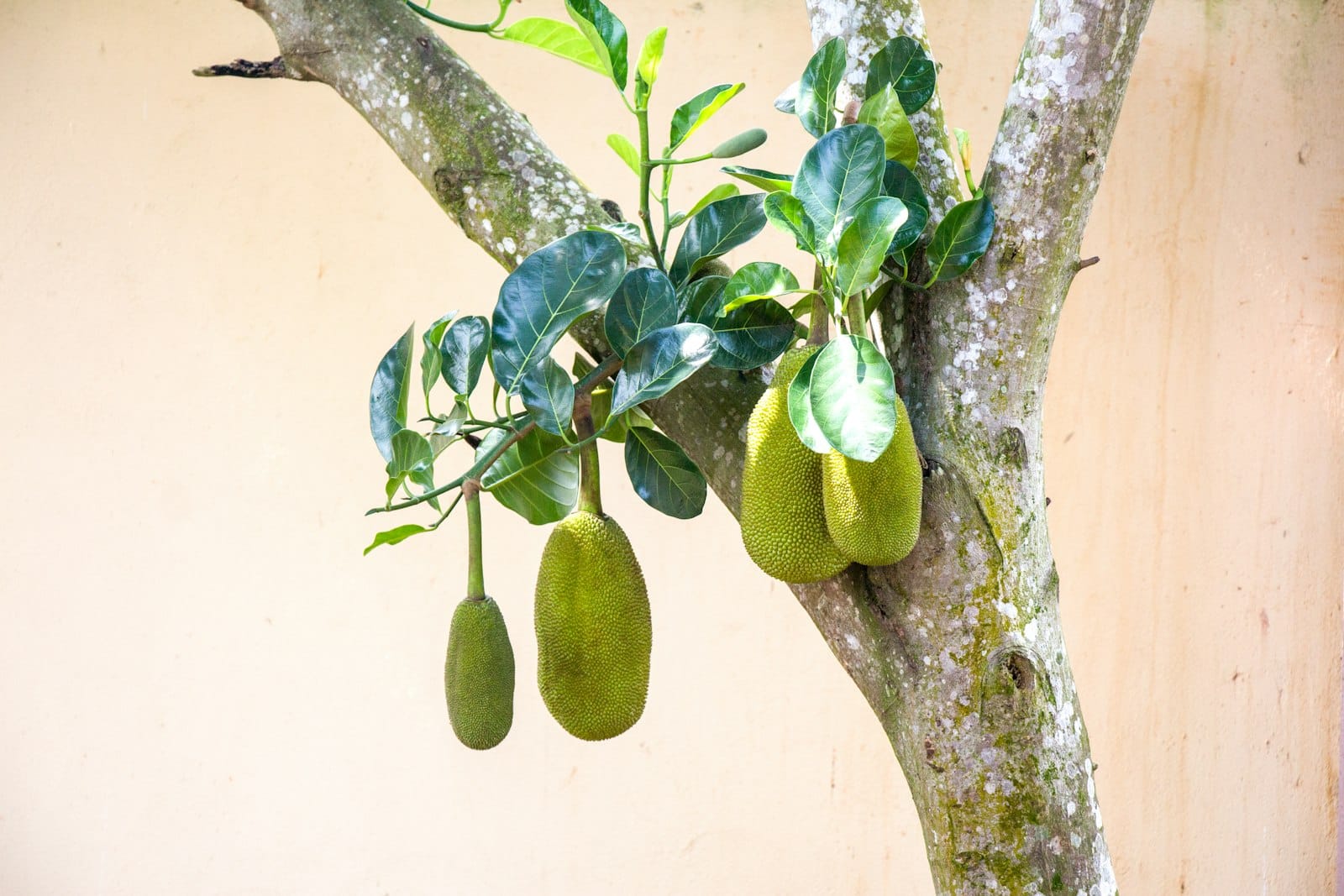
- Walk among real trees — see durian hanging in clusters on red volcanic soil, great for photos
- Taste it off the branch — owners cut down a ripe fruit and split it for you to taste fresh, no ripening process
- Pick your own fruit — once you know what to look for, point out the one you want, cut fresh, not sitting on a shelf
- In-orchard cafes at some spots — sit and eat durian with a drink, durian smoothies, durian ice cream on the menu
- Other volcanic fruit too — rambutan, longkong, mangosteen all grown in the same soil
Want more out of Sisaket? Book tours & activities
Booking online ahead on Klook or GetYourGuide is usually cheaper than the gate and skips the queue. Pick only the experiences you actually want — prices and availability are shown live on each site.
When to go to actually find durian
Sisaket durian ripens noticeably later than the eastern provinces. The main season runs roughly late May to early July, and the period when fruit is most plentiful and the most orchards are open is mid-June. Years when the rain comes early or late can shift it either way. If you're planning ahead, aim for mid-June first, then call the orchard to confirm — early in the season fruit is still scarce, prices are high, and some orchards aren't open to visitors yet.
Check before you go
Most orchards only open during durian season, some only on weekends, and several cap the number of visitors per day. Before driving a long way, call or message the orchard's Facebook/Line to ask whether they have fruit right now, which days they're open to visitors, and whether you need to book ahead — so you don't waste the trip.
Orchards that let you in to walk the trees and taste
Below are the volcanic durian orchards in Kantharalak and Khun Han that people actually visit. Some are open orchards where you can walk among the trees with a cafe to sit at; some are family orchards where the owner walks you through personally. Prices are rough ranges and depend on grade and the point in the season — early season is pricey, mid-season cheaper.
Win Ka Va Farmhouse & Café
A volcanic durian orchard that doubles as an in-orchard cafe — walk the trees and sit eating fresh durian with a drink, all in one place. Good for people who want a real orchard atmosphere, not just buying to take home. It gets busy in season, so message the page to ask about time slots first.
Suan Ta Toem (Volcano Durian)
A Khun Han orchard that reviewers stop by often. The owner walks you through the trees, lets you taste fresh Monthong, and there's a menu of durian smoothies, crepes, and shaved ice, plus tractor rides through the orchard. Mostly open weekends, late morning, with a visitor cap, so call to book ahead.
Mae Si Chan Volcanic Durian Orchard
A Kantharalak orchard with both volcanic durian and rambutan, sold at the orchard during season. Good for stopping to see the trees, taste, and buy several things at once. The rambutan here is also grown in volcanic soil and has a sharper flavor than ordinary rambutan.
Phoon Sook Lava Durian
A Kantharalak orchard selling direct from the farm. Volcanic Monthong cut fully ripe at an affordable price — good for people who just want durian to eat, not for photos. Their page posts clear updates for each batch.
Suan Boon Song
A Khun Han orchard that grades clearly — premium grade and quality grade at different prices, and they tell you straight what you get for what you pay. Cut fresh from the orchard, good for people who want to choose by budget and get nice-looking fruit to give as gifts.
Suan Lung Kham Mee
A small orchard paired with Suan Ta Toem in many reviews, focused on selling fruit from its own trees. The owner walks you through the trees and is happy to chat; prices vary by season. Good for people who like to support small growers and want a real family-orchard atmosphere.
Chok Mueang Si Volcanic Durian Orchard
A well-known orchard in Khun Han, selling cut-fresh, graded fruit. Prices run a touch higher because they control quality — good for people who want nice, firm-fleshed fruit to give as gifts. Check the orchard's time slots first during season.
Suan Wanarak
A Kantharalak orchard selling direct from the farm. Volcanic Monthong at a more affordable price than many others, focused on fully ripe cut fruit. If you want durian to actually eat on an easy budget, this is good value. You can walk the trees during the open period.
How to taste and choose so you don't go wrong
Always ask to taste first — perfectly ripe durian has soft flesh that isn't mushy, sweet and creamy without bitterness. Be wary of anyone who won't let you taste at all · Ask how many days ago it was cut; if you want to eat it that same day, pick a fruit that's starting to give off a smell · If you're carrying it a long way home, choose a fruit that's fully mature but not fully ripe, then ripen it yourself.
How to walk the orchard and what to bring
A durian orchard is real farmland, not a public park. The ground inside is volcanic soil — when it rains it gets slippery and muddy, so wear shoes you don't mind getting dirty, and watch out for fallen durian thorns on the ground. Midday sun is harsh, so going in the morning or late afternoon is more comfortable. And don't forget that many orchards are the owner's home — always ask permission before walking around and before taking photos.
Dress to get dirty
Sneakers or rubber shoes you don't mind getting muddy, comfortable clothes. The ground is red soil that gets slippery when it rains.
Go morning or late afternoon
Avoid the midday sun. In the late morning the orchard is still full of fruit, and owners have more time to walk you through than during the crowded hours.
Carry cash
Many family orchards take cash or PromptPay transfer, and signal is poor in spots, so have some cash ready.
Plan how to carry it
If you buy a lot, bring a box or bag that breathes, and set it in the car with airflow so the durian doesn't get stuffy or bruised.
Why volcanic soil makes the flavor different
The growing area sits on the foothills of the Phanom Dong Rak range. The soil here weathered down from basalt into red clay that drains exceptionally well and is high in minerals like magnesium, calcium, and potassium. The result: the durian trees aren't waterlogged, the roots don't rot easily, and they take up minerals fully — so the flesh comes out dry, evenly yellow, sweet and creamy with a firm texture, not mushy. That's why the same Monthong variety tastes different grown in Sisaket versus elsewhere.
- Dry, firm flesh — not mushy, holds its shape when you scoop it
- Sweet and creamy, not cloying — just sweet enough, followed by creaminess
- Lighter smell than usual — many people put off by durian's smell can handle this one
- It's GI-registered — clearly registered growing area, can only be grown in these districts
Planning an orchard trip without wearing yourself out
The orchards are spread across Kantharalak, Khun Han, and Si Rattana, and driving between districts takes a fair bit of time. The suggestion is to pick one zone per day and pair it with nearby attractions — that's better value than driving across districts all day. Below is a rough two-day plan to adapt around whichever orchards you can book.
Kantharalak zone
Khun Han zone + sightseeing
If you plan to continue on to Khao Phra Wihan National Park or Pha Mo I Daeng on the Kantharalak side, always check the border situation and the park's announcements before every trip, because the area is sometimes closed or access is restricted. This isn't a spot to drive to on a whim.
Plan a full eat-and-explore trip across all of Sisaket
See the Sisaket travel guide →