🔄 Updated 21 Jun 2026
If you've eaten jasmine rice before and thought "it all smells about the same," try cooking a pot of Thung Kula Ronghai rice and you'll understand why rice from this area has a name. The aroma when you lift the lid is stronger than what you're used to, the grains are long and slender, soft but not mushy, and even after it cools it stays tender rather than going hard. Sisaket is one of five provinces sitting in the Thung Kula Ronghai plain, and the main growing area here is Rasi Salai district.
What is Thung Kula Ronghai, and why is the rice so fragrant?
Thung Kula Ronghai is a broad plain across the southern part of Isan, straddling five provinces: Roi Et, Surin, Sisaket, Maha Sarakham, and Yasothon. It used to be known as so dry and salty that almost nothing would grow. The name "Ronghai" (literally "crying") comes from that hardship. But it turns out the salty sandy soil and the dry air late in the season stress the rice plant just enough that it builds up more aroma compounds in the grain than usual. What was once the weak point became the strong point.
- The variety — it's Khao Dawk Mali 105 and RD15, both photoperiod-sensitive rice grown just once a year in the wet season. That keeps yields limited and the aroma deeper than rice forced through several crops a year.
- Soil and water — sandy loam with a mild saltiness, plus little water while the rice is heading, is the recipe for deeply fragrant rice with long, slender grains.
- GI registration — Thung Kula Ronghai jasmine rice has held a Geographical Indication (GI) registration since 2007, which means rice carrying the mark has to be grown in the actual area and meet the standard, not just any rice claiming the name.
Whichever side of Thung Kula, it's the same rice
Thung Kula rice sold in Roi Et or Surin is the same GI rice; only the district where it's grown differs. The Sisaket side is mainly Rasi Salai, so if you're buying in Sisaket town and you spot rice under a Rasi Salai community brand, that's the genuine local product.
Want to taste deeper? Try a Sisaket food tour or cooking class
Half a day with a local who knows the lanes — or cooking a dish yourself — teaches you more than just eating. Book ahead on Klook or GetYourGuide.
How is GI rice different from supermarket bags?
Most bagged jasmine rice in supermarkets is a blend from several sources, graded to a middle-of-the-road standard, so the aroma is steady and consistent but not standout. Thung Kula rice from community groups, on the other hand, usually comes from the same field or fields close together. It isn't bleached-white like rice that's been milled two or three times, but the aroma is clearly stronger. If you love the smell of rice, you'll be hooked.
- White Thung Kula rice — cooks up fluffy and soft with a standout aroma, good for anyone who eats rice every day and wants that fragrance. It's the easiest one to grab as a gift.
- Brown jasmine rice — keeps the germ, so it has more fiber and nutrients and a chewier bite. Health-conscious folks like it; you need to soak it and use more water than white rice.
- Organic jasmine rice — grown without chemicals and carries organic certification. It costs noticeably more than regular rice, but if it's for an elder or someone who cares about health, it's worth it for the look and the gesture.
- Germinated (hang ngok) rice — rice that's been sprouted slightly before light milling, more fragrant and with added nutrients. It's a premium-style gift you can find through community enterprise groups.
Where to buy Thung Kula rice in Sisaket
Rice souvenirs are easier to find than durian because they're sold year-round, no need to wait for the season. Below are the spots where people actually shop in the province, ordered from the most convenient places in town out to the source in Rasi Salai.
Ban Um Saeng Community Enterprise (Kaset Thip)
The most famous large-plot organic rice group in Rasi Salai, producing organic jasmine rice end to end and exporting overseas. They have white rice, brown rice, and processed rice. If you want the real thing straight from the source with organic certification, this is your first pin.
Kit Tiang Shop
A long-running souvenir shop in Sisaket town, open for over 20 years, right near the train station. It sells a mix of souvenirs — rice, shallots, garlic, and dried goods. Good for travelers arriving by train who want to grab something before boarding the train home.
Souvenir shops at the Mae Si Sa Ket roundabout
A cluster of souvenir shops around the roundabout in the center of town, easy to find because it's a landmark. They have Thung Kula rice in ready-to-carry bags, small and large sizes, handy for anyone driving through town.
Sisaket Provincial OTOP Center
The province's community-product hub, where rice from several enterprise groups is gathered in one place so you can compare brands and prices side by side. Good if you want to choose among several labels or pick up rice along with other souvenirs like silk, shallots, and garlic.
Nong Khae Community Rice Center (Khao Mayang Thong)
An organic jasmine rice group at Ban Mayang, Rasi Salai, selling under the "Khao Mayang Thong" label. It's another source for anyone driving out around Rasi Salai who wants to buy directly from the group.
Fresh markets and rice shops in town
If you don't want to hunt for a specific brand, several rice shops and fresh markets in Sisaket town stock Thung Kula rice scooped by the kilo, cheaper than buying gift packs. Just ask clearly whether it's genuine Thung Kula rice or a blend.
Straight talk
Source-side community shops like Ban Um Saeng focus on wholesale and online sales, so if you plan to drive out and buy in person, call ahead to check they're open that day and have small bags in stock to carry — you don't want a wasted trip. In town it's easier to buy, but the per-kilo price is a bit higher because it comes as gift packs.
How to choose rice gifts and not go wrong
- Look for the GI mark or organic certification — if you want the genuine local product, look for the Thung Kula Ronghai jasmine rice mark or an organic certification logo on the bag. Don't buy on the seller's word alone.
- Check the milling date — the fresher the milling, the stronger the aroma. If the bag lists a milling or production date, pick the newest one; older rice loses its fragrance over time.
- Choose vacuum-sealed bags for long trips — vacuum-sealed bags hold the aroma and keep weevils out better, ideal for carrying on a flight or passing along.
- Buy a size that's easy to carry — a 1–2 kg bag is easy to handle and you'll finish it before the aroma fades. A 5 kg bag is nice for an elder, but it's heavy and needs to be split and stored airtight.
- Tell the recipient about brown and germinated rice — these two don't cook like white rice, so if you're gifting them to someone unfamiliar, pass along the cooking method so it doesn't come out hard.
Which rice gift suits which recipient
For elders / relatives
A 5 kg bag of certified organic jasmine rice carries weight — both the real thing and the thought behind it — and the recipient can cook from it for a long time.
For coworkers
A 1 kg vacuum-sealed bag of white Thung Kula rice is light to carry, easy to hand out to several people, and not pricey. Cook it and the aroma makes an impression.
For the health-conscious
Brown jasmine rice or germinated rice is high in fiber and lower in sugar than white rice — right on the mark for anyone watching their diet.
Buy rice and explore Rasi Salai while you're there
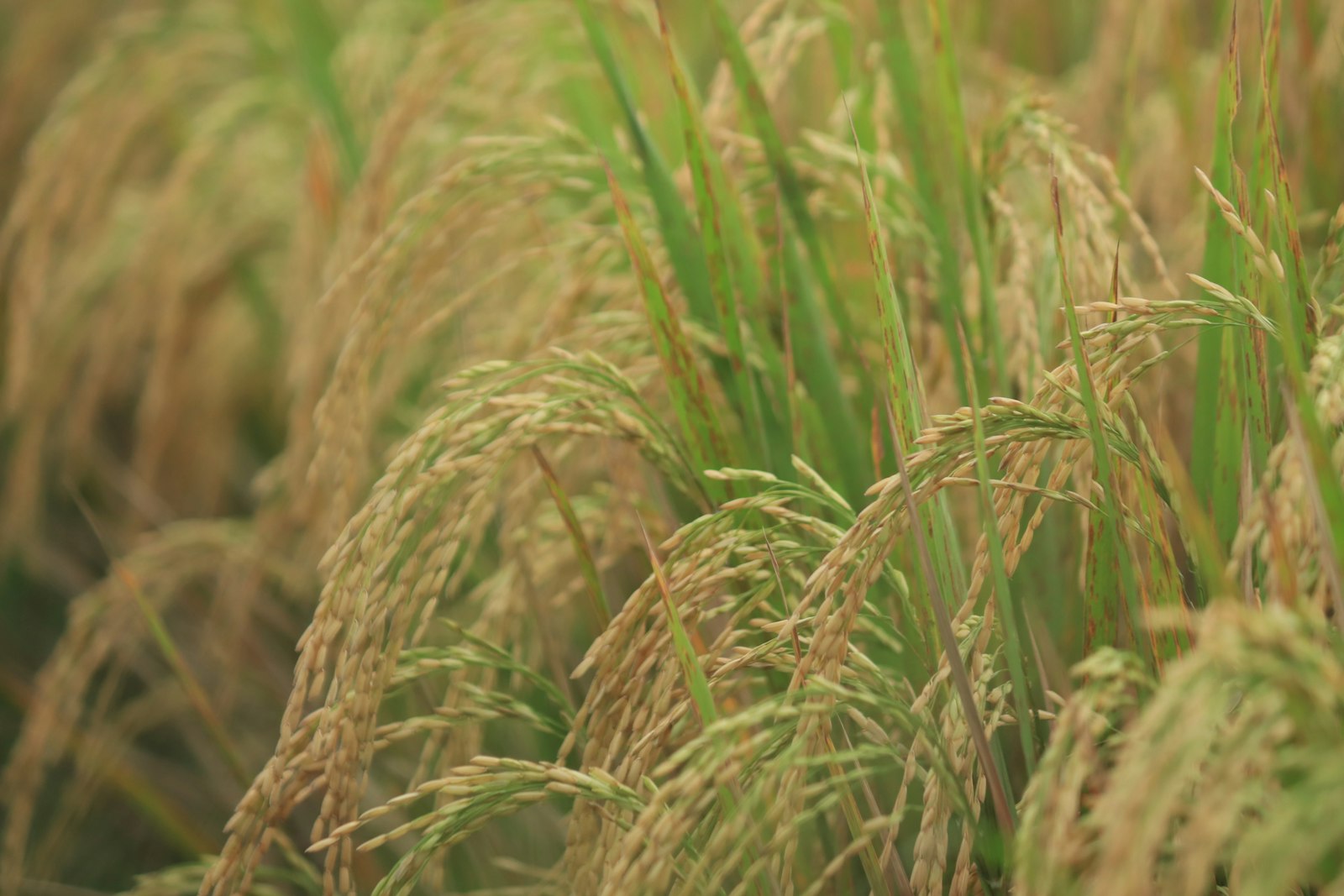
If you've already made it out to Rasi Salai, the source of the rice, leave time to look around. From late rainy season into early winter the paddies turn green and then start to gold — the prettiest time to photograph the fields. Once the rice heads out and the whole plain glows gold, that's a sight you won't see in town.
Scoop rice at the source + see the paddies
If you plan to keep exploring
If you intend to head out as far as the border, to Pha Mo I Daeng or Khao Phra Wihan National Park, always check the border situation and the park's announcements before you set off. Some periods are closed or have limited access, so don't assume you'll definitely get in.
Plan a full Sisaket trip — food, souvenirs, and places to see
See the Sisaket travel guide →